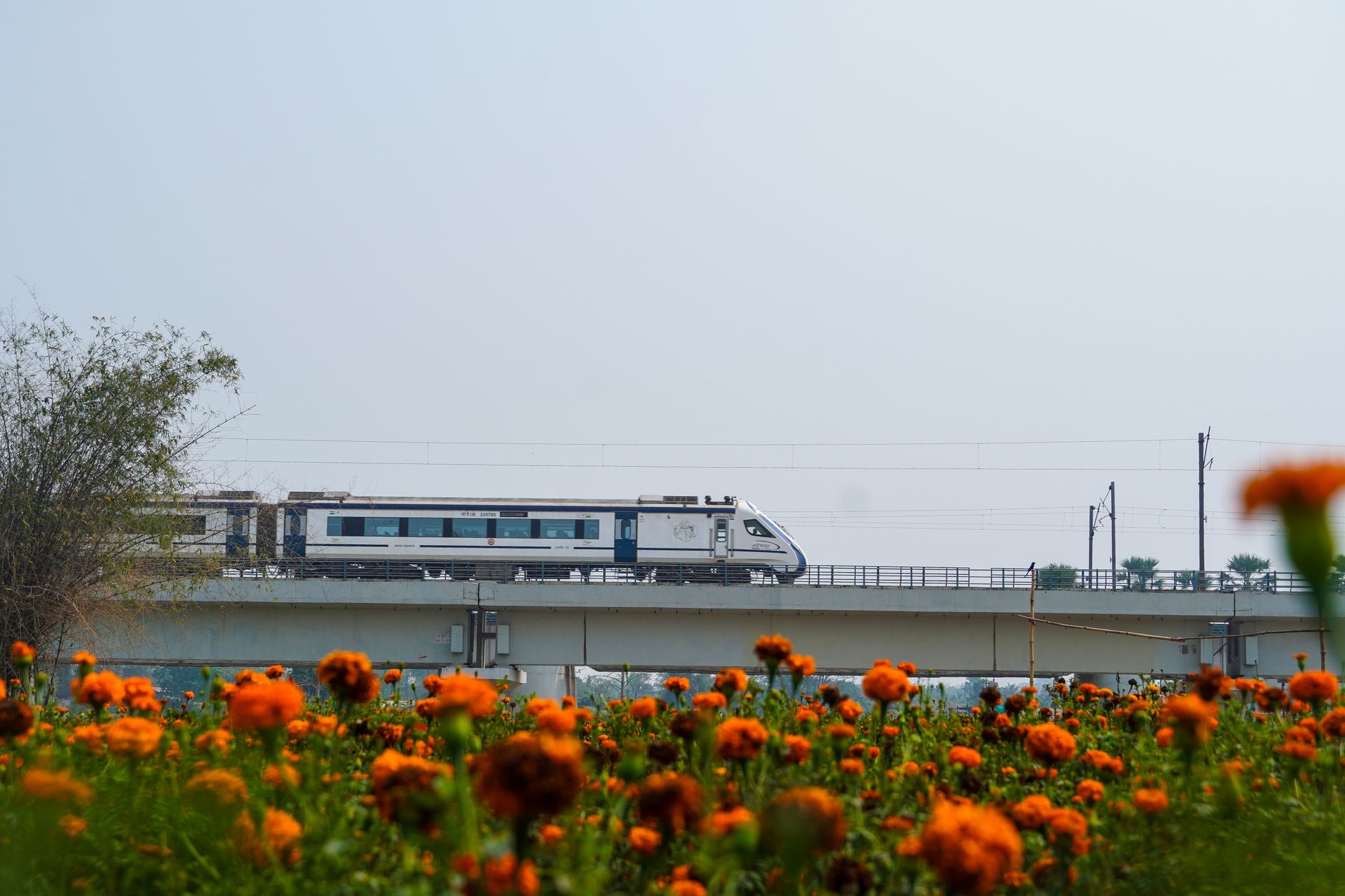
Namo Bharat Rail Corridors will connect Delhi with Karnal and Bawal, transforming regional travel. This initiative promises to boost connectivity and streamline transportation.
Overview of Namo Bharat Rail Corridors
The Namo Bharat Rail Corridors project aims to enhance connectivity in North India, specifically linking Delhi with key regions such as Karnal and Bawal. This ambitious initiative is designed to facilitate faster travel, reduce congestion, and promote economic growth in the surrounding areas.
These rail corridors will feature:
- High-speed trains: Designed to significantly cut travel time between major cities.
- Modern infrastructure: Incorporating state-of-the-art facilities to ensure passenger comfort and safety.
- Increased freight capacity: Aimed at boosting trade and commerce in the region.
- Environmentally friendly options: Utilizing energy-efficient technologies to minimize the carbon footprint.
As part of the broader vision to modernize India’s transportation network, the Namo Bharat Rail Corridors will play a crucial role in shaping the future of rail travel in the country.
Impact on Delhi’s Transportation
The introduction of the Namo Bharat Rail Corridors is set to revolutionize transportation in Delhi. By connecting the capital with key regions such as Karnal and Bawal, these corridors promise to enhance travel efficiency and reduce congestion on existing routes.
Key impacts on Delhi’s transportation system include:
- Improved Connectivity: The rail corridors will facilitate quicker and more reliable access to northern Haryana, making commuting easier for residents and businesses.
- Reduced Travel Time: Passengers can expect significant reductions in journey times, enabling more time for work and leisure.
- Environmental Benefits: By promoting rail travel, the corridors aim to decrease reliance on road transport, thus reducing carbon emissions.
- Economic Growth: Enhanced connectivity is likely to spur economic activities in the connected regions, creating job opportunities and boosting local economies.
Overall, the Namo Bharat Rail Corridors represent a smart investment in the future of Delhi’s transportation landscape.
Benefits for Karnal and Bawal
The introduction of the Namo Bharat Rail Corridors is set to bring significant benefits to the towns of Karnal and Bawal. These new rail links promise to enhance connectivity, reduce travel times, and improve the overall quality of life for residents.
One of the primary advantages is the ease of access to Delhi, which will facilitate smoother commutes for daily travelers. This improved transportation infrastructure will not only benefit local workers but also attract businesses looking to invest in the region.
Additionally, the rail corridors are expected to promote tourism, as quicker travel will encourage visitors to explore the rich cultural heritage of Karnal and Bawal. The expected increase in foot traffic will bolster local economies, creating new job opportunities.
Moreover, the enhanced rail services will contribute to a decrease in road congestion, leading to a cleaner environment and reduced travel-related stress for commuters.
Future of Railway Infrastructure in India
The future of railway infrastructure in India looks promising with the introduction of the Namo Bharat Rail Corridors. These corridors are set to revolutionize connectivity between major urban centers, enhancing the efficiency and speed of travel across the country.
As India continues to modernize its railway system, investments in smart technology and infrastructure are crucial. The Namo Bharat Rail Corridors will not only reduce travel times but also improve the overall passenger experience. Key features will include:
- Advanced signaling systems to ensure safety and efficiency.
- High-speed trains that significantly cut down journey durations.
- Eco-friendly initiatives aimed at reducing carbon footprints.
- Integrated transport solutions that facilitate seamless connections to other modes of transport.
With these advancements, the Namo Bharat Rail Corridors represent a significant step toward a smarter, more connected India, ultimately benefiting millions of travelers and commuters.
Photo by Rounak Kayal on Pexels