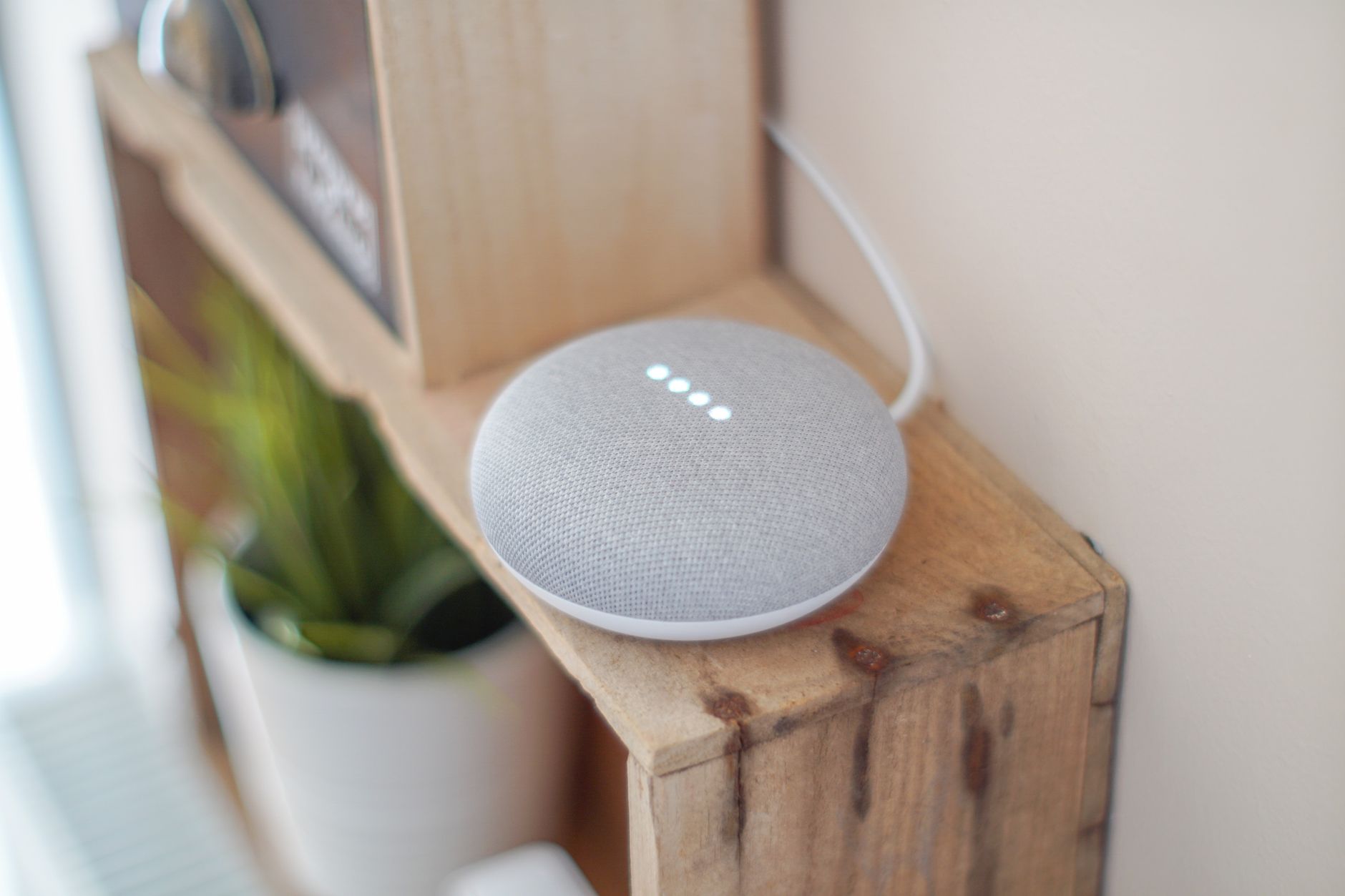
AI agents for Google Home are set to revolutionize how users interact with their smart devices. This early access launch in the US promises exciting new features.
What are AI agents for Google Home?
AI agents for Google Home are advanced digital assistants designed to enhance the functionality of smart home devices. These agents leverage artificial intelligence to automate tasks, provide personalized responses, and improve user interaction. With the recent launch of early access for AI agents in the US, Google Home users can now experience a range of innovative features that transform their smart living experience.
These AI agents can:
- Control smart appliances with simple voice commands.
- Provide real-time information such as weather updates and news briefings.
- Learn user preferences over time to offer tailored recommendations.
- Integrate seamlessly with other smart home ecosystems.
As Google continues to enhance its AI capabilities, AI agents for Google Home are set to revolutionize how users interact with their environments.
How to access AI agents in the US
Accessing AI agents for Google Home in the US is straightforward for users interested in leveraging the latest smart features. To begin, ensure that your Google Home device is updated to the latest software version. This is crucial for compatibility with the newly launched AI agents.
Next, follow these steps:
- Open the Google Home app on your smartphone or tablet.
- Navigate to the settings section within the app.
- Look for the AI agents option, where you can enable or customize features according to your preferences.
- Follow any prompts to finalize your setup and start interacting with the AI agents for Google Home.
With these steps, users can easily unlock the potential of AI-driven functionalities in their smart homes.
Benefits of using AI agents
The introduction of AI agents for Google Home brings a multitude of benefits that enhance the smart home experience. Users can enjoy:
- Personalization: AI agents learn user preferences over time, providing tailored responses and suggestions.
- Convenience: With voice commands, users can control various devices hands-free, making daily tasks easier.
- Integration: AI agents seamlessly connect with other smart home devices, creating a more cohesive ecosystem.
- Efficiency: These agents can automate routines and schedules, saving time and energy.
- Information access: Users can quickly get answers to questions, weather updates, and news briefings without manual searches.
Overall, AI agents for Google Home significantly enhance the functionality and enjoyment of smart home technology.
User experiences with AI agents
Users have begun to share their experiences with AI agents for Google Home, highlighting a range of features that enhance daily routines. Many appreciate the seamless integration of these agents into their smart home systems, elevating convenience and efficiency.
- Customization: Users can tailor responses and functionalities, making interactions feel more personal.
- Multifunctionality: From setting reminders to controlling lights, the versatility of AI agents has impressed many.
- Voice Recognition: Enhanced voice recognition capabilities have led to smoother and quicker interactions, reducing frustration.
Overall, feedback suggests that AI agents for Google Home not only simplify tasks but also create a more engaging and responsive environment for users, paving the way for future advancements in smart technology.
Future of smart home technology
The future of smart home technology is being shaped by advancements in AI agents for Google Home, which promise to revolutionize how users interact with their devices. As these AI agents become more sophisticated, they will offer deeper integration and personalization, making home automation more intuitive than ever before.
Experts predict a shift towards greater interoperability among smart devices, allowing AI agents to seamlessly communicate across different platforms. This could result in a more cohesive user experience, where one command can control multiple devices simultaneously.
Additionally, as AI agents for Google Home continue to evolve, we can expect enhanced learning capabilities, enabling them to adapt to individual preferences and routines. This evolution will likely lead to smarter homes that anticipate user needs, ultimately improving convenience and efficiency.
With these developments, the landscape of home automation is poised for significant transformation in the coming years.
Photo by John (Giannis) Tekeridis on Pexels