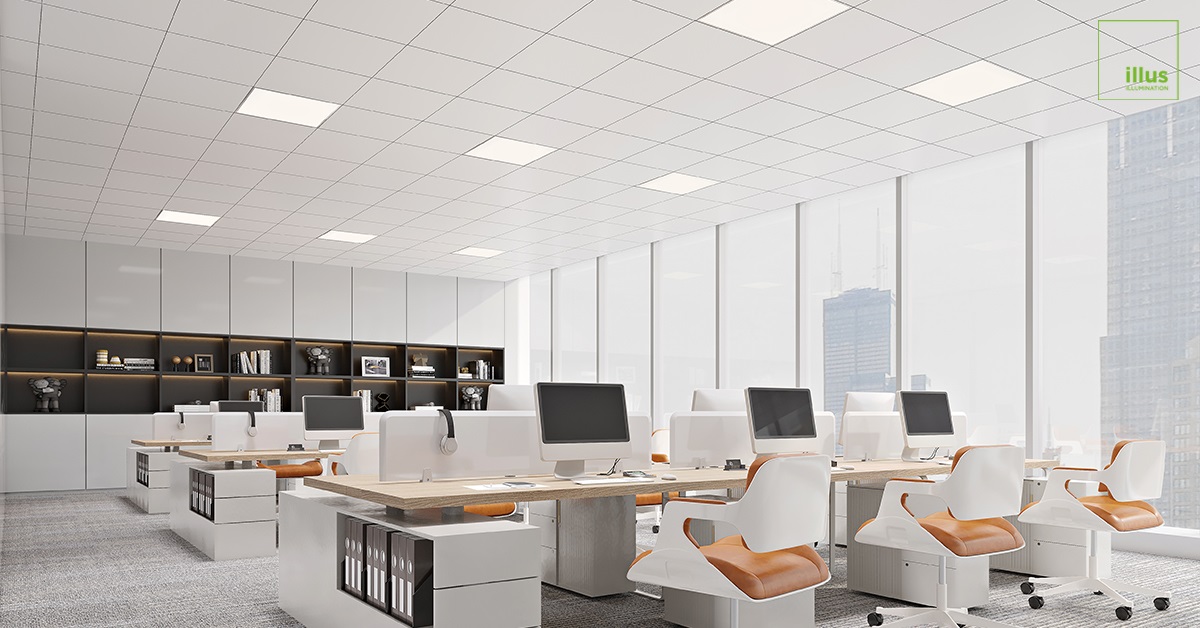
Commercial buildings across Minnesota continue to shift toward more efficient lighting strategies as energy demands rise and operating costs tighten. Lighting is no longer treated as a background utility but as a central part of building performance, safety, and long-term cost control. Within this context, commercial LED lighting solutions in Minnesota have become a practical direction for facilities that want consistent performance through long winters, fluctuating daylight hours, and varied commercial demands.
Work with clients in manufacturing, retail, education, and office environments shows a consistent pattern: outdated lighting systems tend to increase maintenance cycles while delivering uneven visibility across workspaces. That combination affects both productivity and energy budgets. A structured LED transition helps address those challenges without requiring major operational disruption.
Why Lighting Performance Matters in Commercial Environments
Lighting influences more than visibility. In commercial spaces, it shapes how employees interact with their environment and how customers perceive the space. Poor lighting often leads to fatigue, reduced focus, and unnecessary safety risks, especially in large facilities with mixed-use zones.
Minnesota’s seasonal changes also play a role. Long winter nights increase dependence on artificial lighting, which makes efficiency and reliability even more important. Facilities that adopt updated systems often report more stable illumination levels and fewer interruptions caused by bulb failures or inconsistent output.
A consistent design approach supports both function and atmosphere. Instead of treating lighting as isolated fixtures, it becomes part of the building’s operational system. That shift is where structured LED planning provides measurable improvement.
Energy Efficiency and Long-Term Operational Savings
Energy consumption remains one of the most immediate advantages of modern lighting upgrades. Traditional fluorescent or metal halide systems consume significantly more power while requiring frequent replacement cycles. LED systems reduce that load while maintaining brightness levels suitable for commercial use.
The transition to commercial LED lighting solutions in Minnesota also supports better heat management within facilities. Lower heat output reduces strain on HVAC systems, which can create secondary energy savings that compound over time.
Another overlooked advantage is maintenance reduction. LED systems typically last far longer than traditional bulbs, which limits labor demands for replacements in high-ceiling or hard-to-reach areas. That difference becomes especially important in warehouses, schools, and retail centers where downtime carries operational costs.
Holton Electric has worked with facility managers who prioritize long-term value over short-term fixes. In many cases, lighting upgrades are phased across buildings to align with budget cycles while still delivering immediate efficiency gains in the most heavily used areas.
Design Considerations for Commercial LED Systems
Effective lighting design is not just about swapping fixtures. It involves evaluating how each space is used and what level of illumination is required. Offices may prioritize softer, evenly distributed lighting, while industrial environments often require brighter, more focused output.
Color temperature also plays a role in how spaces feel and function. Cooler tones are often used in work environments that require alertness, while warmer tones support customer-facing areas where comfort is a priority. Balancing these elements ensures lighting supports both productivity and user experience.
In larger facilities, zoning becomes important. Rather than controlling lighting as a single system, modern setups divide spaces into adjustable zones. This allows lighting levels to shift based on occupancy, time of day, or specific tasks.
Holton Electric often approaches these projects by first assessing how existing systems are performing under real usage conditions. That evaluation helps identify inefficiencies that are not always visible in utility reports alone.
Implementation and System Integration
Upgrading to LED systems requires more than installation work. Electrical capacity, fixture compatibility, and control systems all need to align for consistent performance. Smart controls, such as occupancy sensors and daylight harvesting systems, can further enhance efficiency by adjusting output based on real-time conditions.
Commercial retrofits also require coordination to avoid disruption. Many facilities operate on strict schedules, so lighting transitions are often completed in phases or during off-hours. Careful planning ensures that operations continue without interruption while upgrades are completed.
Holton Electric has supported projects where phased installation allowed businesses to maintain full operation while gradually improving lighting across multiple buildings. That approach reduces downtime and allows teams to adjust gradually to new lighting conditions.
Discover How LED Solutions Can Enhance Your Business Environment Today
Lighting upgrades are increasingly viewed as infrastructure investments rather than simple maintenance tasks. With energy costs continuing to fluctuate, businesses across Minnesota are turning toward solutions that offer both stability and long-term savings.
Commercial LED lighting solutions in Minnesota provide a clear path toward improved efficiency, better visibility, and reduced maintenance demands. When implemented with a structured design approach, these systems support both operational performance and user comfort across a wide range of commercial environments.
Holton Electric continues to support organizations looking to modernize their lighting systems in a way that aligns with long-term facility goals rather than short-term fixes.