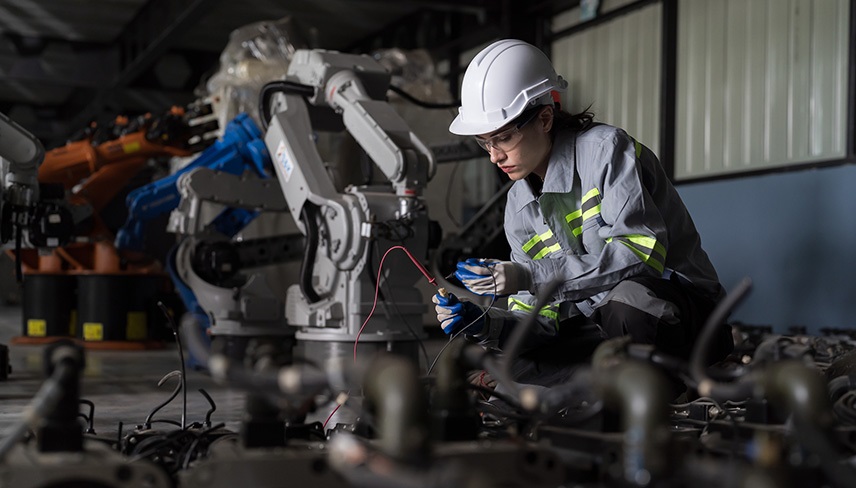
Industrial facilities depend on electrical systems that are expected to perform without interruption, often under heavy load and continuous operation. When those systems fail, the consequences ripple quickly through production schedules, safety protocols, and maintenance budgets. This is where electrical testing services become an essential part of keeping operations stable rather than reacting to problems after they appear.
Knobelsdorff approaches this work with a focus on practical system reliability. The emphasis is on understanding how electrical infrastructure behaves under real conditions, not just how it is designed on paper. That distinction matters when uptime and safety are on the line.
Why Electrical Testing Matters in Industrial Settings
Electrical systems naturally change over time. Connections loosen, components wear down, and environmental factors like heat, vibration, and dust all contribute to gradual degradation. These issues are not always visible until a failure occurs.
Electrical testing services help identify those hidden risks before they turn into downtime or equipment damage. Testing can reveal insulation weaknesses, load imbalances, grounding issues, and early signs of component failure. Addressing these concerns early allows facilities to avoid disruptions that are often far more costly than routine inspection work.
Knobelsdorff focuses on making testing part of a broader reliability strategy. Instead of treating it as a one-time checkpoint, it becomes an ongoing process that supports system health over time.
Common Types of Industrial Electrical Testing
Different systems require different types of evaluation, depending on their role within a facility. Some testing is focused on safety, while other methods are designed to measure performance under load or identify inefficiencies in distribution.
Typical electrical testing services may include insulation resistance testing, circuit analysis, load testing, and grounding verification. Each method provides a different view of how electrical systems are functioning and where stress points may exist.
Knobelsdorff applies these methods based on the actual conditions of a facility. That means selecting testing approaches that match system complexity, operational demands, and the critical nature of the equipment involved.
Identifying Problems Before They Become Failures
One of the most valuable aspects of electrical testing is its ability to uncover issues that have not yet caused visible damage. Many electrical failures begin as small, undetected problems that gradually worsen over time.
Loose connections, overheating components, or inconsistent voltage can all exist long before a system shuts down. Without testing, these issues often go unnoticed until they result in downtime.
Knobelsdorff emphasizes early detection through structured inspection and testing routines. The goal is to catch problems at a stage where they can be corrected quickly and cost-effectively, rather than after they have escalated into larger failures.
Supporting Safety and Compliance
Electrical systems in industrial environments are subject to strict safety standards and regulatory requirements. Regular testing helps ensure that systems remain compliant and operate within safe parameters.
Beyond compliance, testing plays a direct role in protecting personnel and equipment. Faulty electrical systems can create serious hazards if left unchecked, especially in high-load or high-voltage environments.
Knobelsdorff integrates safety considerations into every aspect of electrical testing services, ensuring that systems are not only functional but also aligned with safe operating practices. This reduces risk while supporting long-term operational stability.
Improving System Performance Through Data
Electrical testing is not only about identifying problems. It also provides valuable insight into how a system is performing as a whole. Data collected during testing can reveal inefficiencies, uneven load distribution, or areas where energy usage can be improved.
Over time, this information helps facilities make better decisions about upgrades, maintenance schedules, and system design adjustments. Instead of relying on assumptions, operators can work with clear, measurable data.
Knobelsdorff uses testing results as a foundation for practical recommendations. The focus is on turning technical findings into actionable improvements that support real-world performance.
The Role of Routine Testing in Long-Term Reliability
One-time testing can provide a snapshot of system health, but long-term reliability depends on consistency. Electrical systems benefit most from scheduled evaluations that track changes over time.
Routine electrical testing services help establish baseline performance and highlight gradual shifts that may indicate developing issues. This makes it easier to plan maintenance proactively rather than responding to emergencies.
Knobelsdorff supports ongoing testing programs that are tailored to facility needs. These programs are designed to fit operational schedules while still providing the level of oversight needed to maintain system reliability.
Secure Your Operations Today: Schedule Your Electrical Testing with Knobelsdorff
Electrical systems are constantly under stress in industrial environments, even when everything appears to be functioning normally. Without proper testing, small issues can quietly develop into major disruptions.
Knobelsdorff approaches electrical testing services as a critical part of system care rather than an occasional task. By focusing on early detection, performance insight, and long-term reliability, facilities are better positioned to maintain safe and consistent operations in demanding environments.