Manufacturing rarely ends when a part is made. In many industries, the final stages of packaging and assembly determine whether a product is truly ready for distribution. These steps carry their own set of challenges, from maintaining consistency to managing labor demands and meeting tight delivery schedules. That is where contract packaging and assembly services become a practical extension of the production line rather than a separate afterthought.
When handled in-house, packaging and assembly can quickly become resource-heavy. Labor fluctuations, space limitations, and shifting order volumes often create inefficiencies that ripple through the rest of the operation. Outsourcing these functions allows manufacturers to stabilize output while focusing internal resources on core production work.
Why Packaging and Assembly Outsourcing Has Become Standard Practice
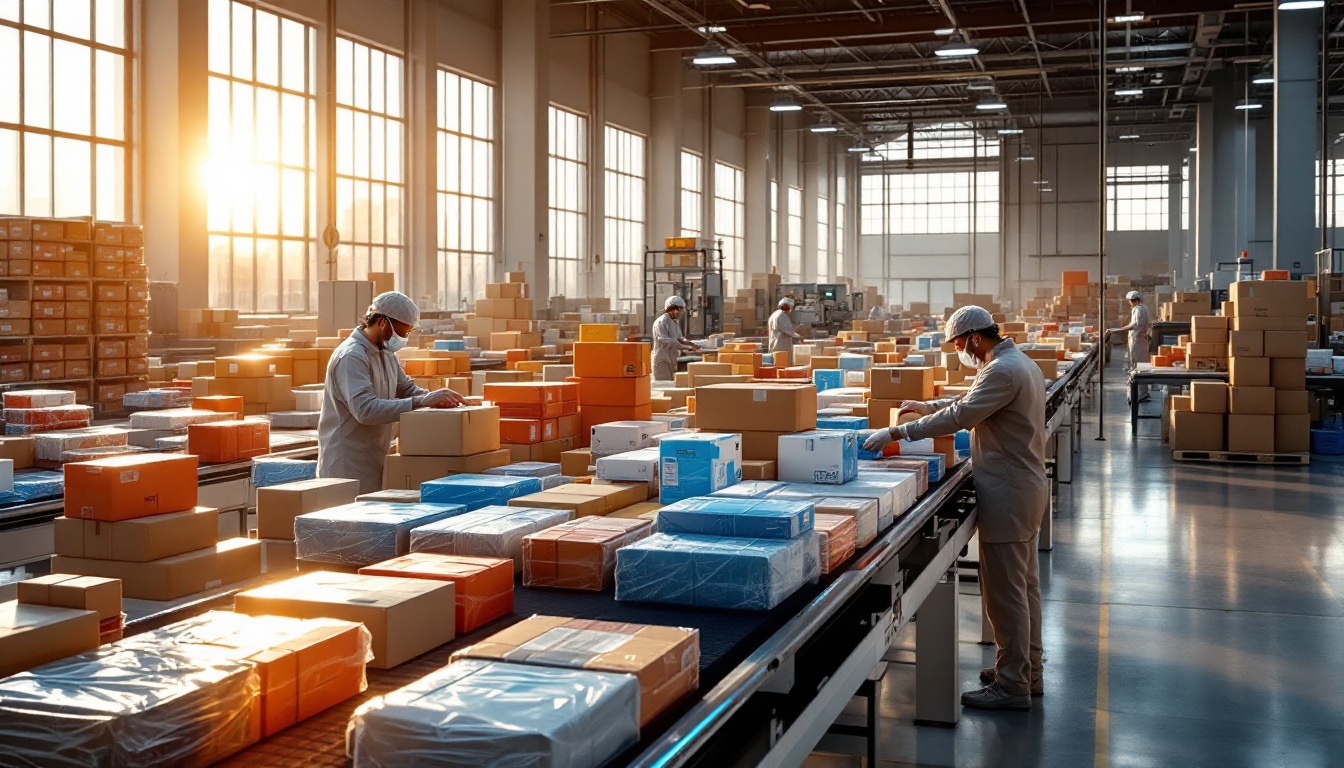
As supply chains grow more complex, the need for streamlined finishing processes has increased. Packaging is no longer just about containment. It often involves labeling accuracy, component verification, protective layering, and compliance with shipping requirements. Assembly, on the other hand, may require precise fitting of multiple parts into a final usable product.
Contract packaging and assembly services helps reduce bottlenecks that form when these final steps compete with primary manufacturing tasks for time and labor. It also supports scalability, since production output can increase without requiring proportional expansion of internal staffing or facility space.
Pepin Manufacturing supports this type of workflow integration by aligning finishing processes with upstream production. That alignment helps ensure that components move smoothly from fabrication into final preparation without unnecessary delays or quality gaps.
Flexibility Across Different Product Types
One of the strongest advantages of outsourced packaging and assembly is adaptability. Products vary widely in size, complexity, and handling requirements. Some may involve simple kitting of components, while others require multi-step assembly and protective packaging designed for long-distance transport.
Contracted services are structured to accommodate this variability. Production lines can be adjusted based on product type without requiring significant changes to internal infrastructure. This flexibility is especially important for manufacturers dealing with seasonal demand shifts or multiple product variations.
Assembly processes also benefit from standardized procedures. When repetitive tasks are clearly defined, consistency improves and error rates decrease. That consistency carries through to packaging, where final presentation and protection must align with both functional and logistical needs.
Quality Control in the Final Stages of Production
Even though packaging and assembly occur at the end of the production chain, they play a major role in overall product quality. A well-manufactured component can still fail in the field if it is packaged incorrectly or assembled without proper verification.
Quality control in these stages often involves inspection checkpoints, verification of component counts, and confirmation that assembly steps have been completed correctly. These controls help reduce returns, prevent shipping errors, and maintain product reliability once items reach customers or distribution centers.
Pepin Manufacturing integrates quality awareness into these finishing stages by maintaining structured workflows that emphasize accuracy and repeatability. That structure helps ensure that the final output reflects the same level of consistency established earlier in production.
Efficiency Gains Through Integrated Services
One of the most practical benefits of contract packaging and assembly services is efficiency. When these tasks are handled externally or through dedicated systems, production lines are no longer interrupted by end-stage processing demands. That separation allows each phase of manufacturing to operate more smoothly.
It also improves workflow predictability. Instead of managing fluctuating labor needs for packaging and assembly internally, manufacturers can rely on a consistent process that scales with demand. This stability reduces downtime and supports more accurate production planning.
Over time, that efficiency translates into better resource allocation. Teams can focus on core manufacturing tasks while finishing processes remain steady and controlled through dedicated systems.
Building a More Streamlined Production Model
Modern manufacturing depends on coordination between multiple stages, not just isolated efficiency within one area. Packaging and assembly are often the final points where errors can be caught or introduced, which makes their structure especially important.
Contracting these services allows manufacturers to create a more streamlined model where production flows continuously from fabrication to final preparation. Instead of treating packaging and assembly as separate responsibilities, they become integrated parts of the overall system.
Within that structure, Pepin Manufacturing helps maintain continuity between production and finishing stages. The result is a more cohesive workflow where each step supports the next, reducing friction and improving overall output reliability.
Final Perspective on Production Continuity
Packaging and assembly may sit at the end of the production line, but their impact reaches back through the entire process. When handled with structure and consistency, they help protect product quality, improve efficiency, and support scalable growth.
Contract packaging and assembly services gives manufacturers the ability to maintain that consistency without stretching internal resources. As production demands continue to evolve, these services remain a practical way to keep operations aligned, efficient, and ready for distribution at scale.