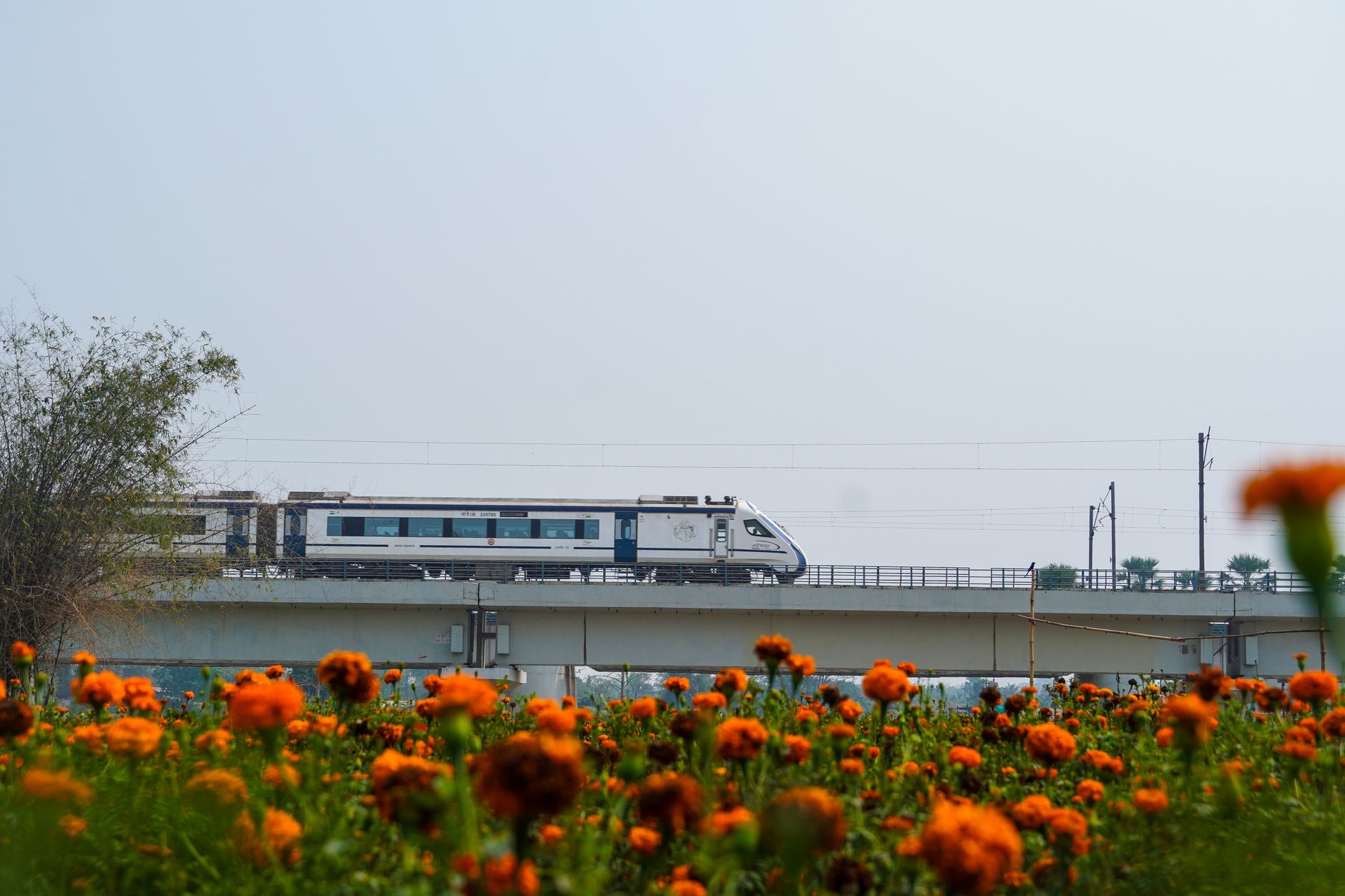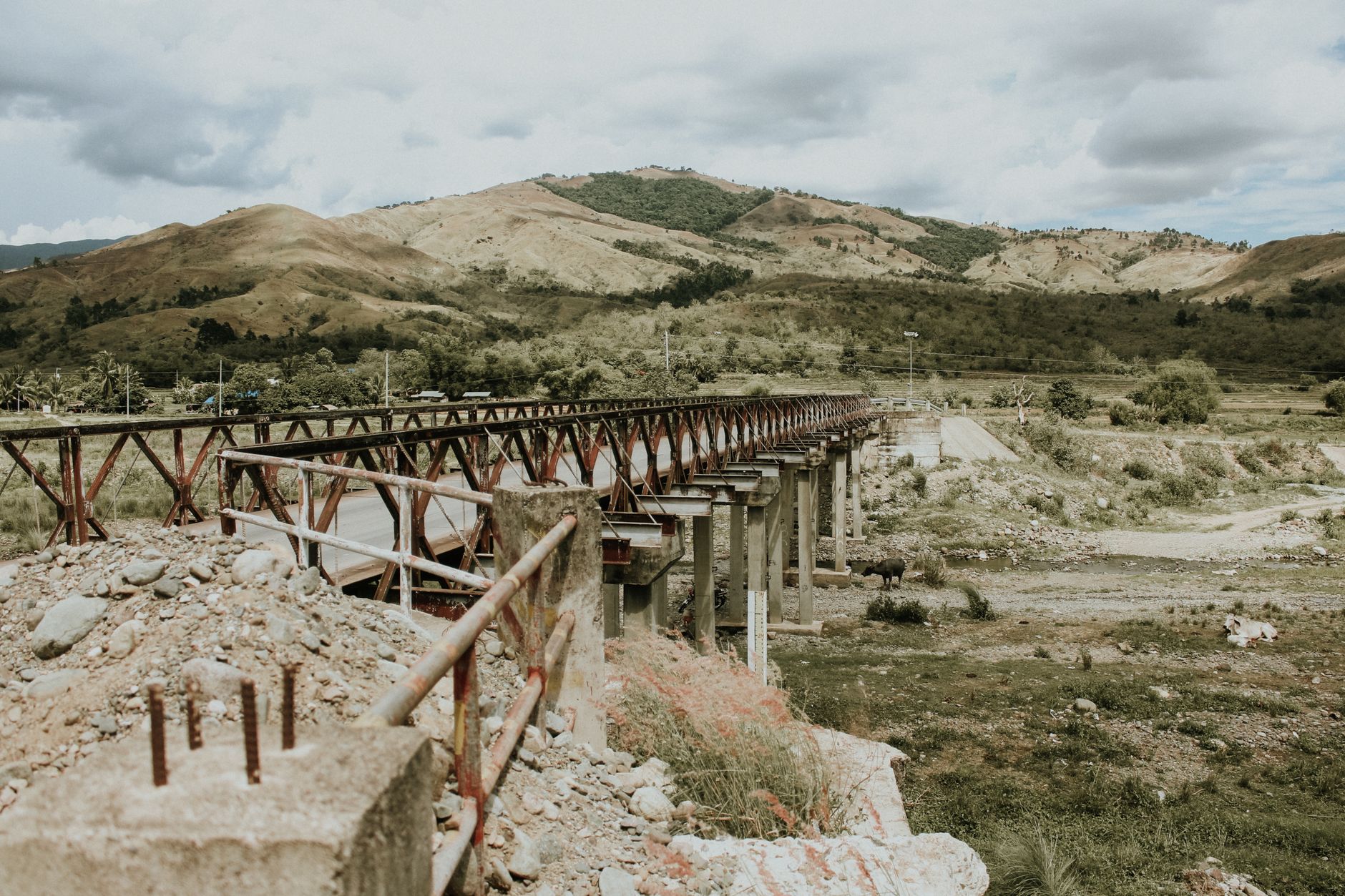
Philippines rail projects are at the forefront as President Marcos seeks Indian backing for three major initiatives and a satellite program.
Overview of Philippines Rail Projects
The Philippines is currently undertaking significant rail projects aimed at enhancing its transportation infrastructure and boosting economic growth. These developments are crucial in addressing traffic congestion and improving connectivity across the archipelago.
Among the key initiatives are:
- North-South Commuter Railway (NSCR): This project aims to connect Manila to the province of Laguna, significantly reducing travel time for daily commuters.
- Mindanao Railway Project: Designed to facilitate the movement of goods and passengers across Mindanao, this project is expected to foster regional development.
- Metro Manila Subway: This ambitious undertaking will serve as the first-ever underground transit system in the country, alleviating traffic woes in the capital region.
President Ferdinand Marcos Jr. is actively seeking support from India to expedite these rail projects, recognizing their potential to transform the Philippines’ transportation landscape. The collaboration is viewed as a strategic move to leverage India’s expertise in railway engineering and technology, which could lead to timely completion and operational efficiency. Such partnerships are vital for the advancement of the Philippines rail projects and overall national progress.
Importance of Indian Support
The importance of Indian support in the development of the Philippines rail projects cannot be overstated. As the Philippine government seeks to enhance its transportation infrastructure, India’s expertise and technological advancements play a crucial role in transforming ambitious plans into reality.
Firstly, India’s experience in implementing efficient rail systems provides valuable lessons for the Philippines. With a robust railway network that connects diverse regions, India has developed best practices that can be adapted to the unique challenges faced by the Philippines.
Additionally, collaboration with India can lead to significant investments in the Philippines rail projects. This financial backing will not only expedite project timelines but also ensure the sustainability of the infrastructure being developed.
Moreover, the partnership could foster technology transfer, enabling local engineers and workers to gain hands-on experience in advanced railway technologies. This knowledge transfer is vital for building local capacity and ensuring the long-term success of rail initiatives.
In conclusion, the support from India is a timely opportunity for the Philippines, as it seeks to modernize its rail systems and improve connectivity across the archipelago, ultimately benefiting the economy and the daily lives of its citizens.
Details on the Satellite Program
The Philippines is set to enhance its transportation network through a significant satellite program that aims to support the ongoing rail projects. This initiative is crucial for ensuring efficient communication and monitoring of the various rail systems being developed across the archipelago.
Key details of the satellite program include:
- Real-time data transmission: The program will facilitate real-time communication between different rail stations, improving operational efficiency.
- Enhanced safety measures: By utilizing advanced satellite technology, the program will help in implementing safety protocols across the rail network.
- Integration with existing infrastructure: The initiative will work alongside current rail projects, ensuring seamless integration and functionality.
- Collaboration with India: The support from India is pivotal, as it brings expertise and technology that can expedite the implementation of the satellite program.
This satellite program is expected to play a vital role in the success of the Philippines rail projects, making it an essential aspect of the overall development strategy. As President Marcos seeks Indian backing, the potential benefits of this collaboration could lead to transformative changes in the country’s transportation landscape.
Economic Impact of Infrastructure
The economic impact of infrastructure development, particularly through the Philippines rail projects, is significant for the nation’s growth. Investments in rail systems can lead to enhanced connectivity, reduced travel times, and increased access to markets.
By improving rail infrastructure, the Philippines stands to benefit in several ways:
- Job Creation: Construction and operation of rail systems will create thousands of jobs, contributing to local economies.
- Trade Enhancement: Better rail connections can facilitate smoother transportation of goods, boosting trade within the country and with neighboring nations.
- Tourism Growth: Improved rail networks will likely attract more tourists, as travel becomes more convenient and accessible.
- Environmental Benefits: Rail transport is generally more energy-efficient, which can help reduce carbon footprints and promote sustainable development.
Overall, the Philippines rail projects, supported by India, have the potential to modernize transport infrastructure, driving economic growth and improving the quality of life for Filipinos. This partnership is vital for realizing these benefits and ensuring the nation’s future prosperity.
Future of Transportation in the Philippines
The future of transportation in the Philippines looks promising, particularly with the ongoing rail projects aimed at enhancing connectivity across the archipelago. With substantial support from India, these initiatives are poised to transform the way Filipinos commute and conduct business. The Philippines rail projects are not just about constructing new lines; they are about creating a sustainable and efficient transportation network that can alleviate traffic congestion and reduce travel time.
As urban areas continue to grow, the demand for reliable public transport systems becomes increasingly crucial. The integration of advanced technologies and practices from Indian expertise will play a significant role in the successful execution of these rail projects. Moreover, investing in rail infrastructure is expected to boost local economies, providing jobs and stimulating regional development.
Furthermore, the collaboration does not end with rail construction. It extends to improving safety standards and enhancing overall passenger experience. By focusing on innovation and sustainability, the Philippines aims to create a modern transportation landscape that meets the needs of its citizens and supports economic growth.
In conclusion, the future of transportation in the Philippines hinges on the successful implementation of these rail projects, supported by international partnerships.
The collaboration between India and the Philippines on rail infrastructure can significantly enhance the efficiency of the Philippines rail projects. Quick support from India is worth it, as it can expedite the completion of crucial segments of the Philippines rail projects.
Photo by Roi Mojado on Pexels
Read the original
You might also like
Swami Krupaa project refund: Proven steps to reclaim your money · BJP office inauguration: The Best Proven Benefits for Gujarat · Is the Real Estate Fund from Arnya and Casagrand Worth It?