Fire can start in just a few seconds and spread very quickly, often before people even notice it. Reports from NFPA show that a fire happens about every 23 seconds in the United States, which is a strong reminder that fire safety should never be ignored. This is why it is important for homes, buildings, and businesses to stay prepared at all times. Using fire protection services can also help reduce risks because they inspect properties, identify possible fire hazards, and support proper safety systems that can prevent fires or limit damage if one occurs.
Prevent Fire Hazards at Home
The most effective way to deal with fire is installing a professional fire alarm in Utah as well as to stop it before it starts. Many house fires begin from simple daily habits that are overlooked. By paying attention to small risks and making safety a routine, people can greatly reduce the chance of a fire happening at home.
Keep Your Dryer Clean
One common but often ignored fire risk is the dryer. Every time clothes are dried, lint collects inside the filter and other parts of the machine. This lint is very dry and can easily catch fire when exposed to heat. If it builds up over time, it can block airflow and make the dryer overheat, increasing the risk even more. Cleaning the lint filter after every load is a simple habit, but it plays a big role in preventing fires. It is also helpful to check the vent and hose regularly to make sure they are not clogged, keeping the dryer safe and efficient.
Practice Kitchen Safety
The kitchen is one of the busiest areas in any home, but it is also one of the most common places where fires start. Cooking often involves open heat, oil, and electrical appliances, which all need careful attention. Never leave food cooking on the stove unattended, even for a short time, because fire can start quickly when heat is left unchecked. Always turn off stoves, ovens, and other appliances after use. Oil and grease should be handled carefully because they can catch fire when they become too hot. It is also important to keep flammable items like paper towels, curtains, and dishcloths far away from burners and heat sources to avoid accidental ignition.
Use Electricity Safely
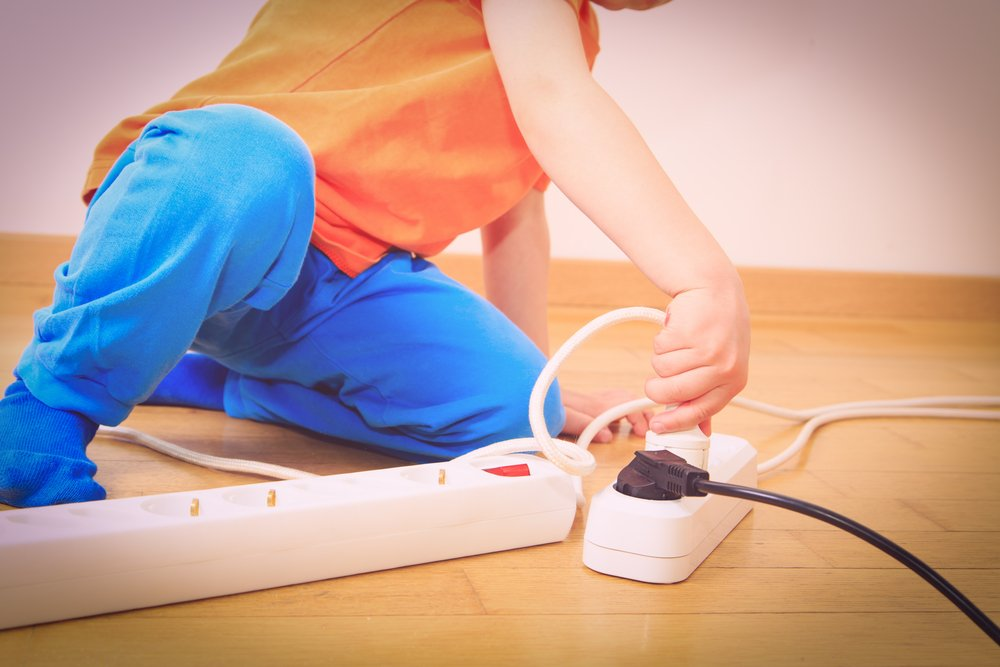
Electricity is essential in every home, but improper use can lead to fire hazards. Overloading electrical outlets by plugging in too many devices can cause overheating and may result in electrical fires. It is important to distribute appliances across different outlets and avoid using damaged extension cords or overloaded power strips. Regularly checking wires, plugs, and appliances for signs of wear such as cracks or exposed wiring can also help prevent accidents. Devices like space heaters, electric blankets, and other heating equipment should always be used carefully and turned off when not needed, especially before sleeping or leaving the room.
Be Ready and Stay Safe with Fire Protection
Even when safety steps are followed, emergencies can still happen without warning. That is why preparation is just as important as prevention. Being ready allows people to act quickly, stay calm, and reduce harm during a fire situation.
Install Fire Alarms and Extinguishers
Fire alarms are one of the most important safety tools in any home or building because they provide early warning when smoke or fire is detected. This early alert gives people more time to escape safely. Alarms should be installed in key areas such as bedrooms, hallways, and kitchens where fire risks are higher. It is also important to test them regularly and replace batteries when needed to ensure they always work properly. Fire extinguishers should be placed in accessible areas like the kitchen or near exits. Everyone in the household should know how to use them correctly so they can respond quickly if a small fire starts before it spreads.
Create a Fire Escape Plan
A fire escape plan is a simple but life-saving preparation step that every home should have. This plan should include clear exit routes from each room and at least two ways out whenever possible, such as doors and windows. It is also important to choose a safe meeting place outside the home, like a front yard or nearby open area, so everyone can be counted after escaping. Practicing the escape plan regularly helps people remember what to do during an emergency, making their response faster and more organized. In real fire situations, having a practiced plan can reduce panic and help save lives.
Educate Everyone in the Home
Fire safety is not just for adults; it should be understood by everyone in the household, including children. Teaching basic fire safety rules helps everyone know how to react in dangerous situations. This includes knowing when to stop, drop, and roll, how to escape safely, and why they should never hide during a fire. Regular discussions about fire safety make the topic familiar instead of scary, which helps people stay calm during emergencies. Practicing fire drills as a group also builds confidence and ensures that every person knows their role, making the whole household better prepared.