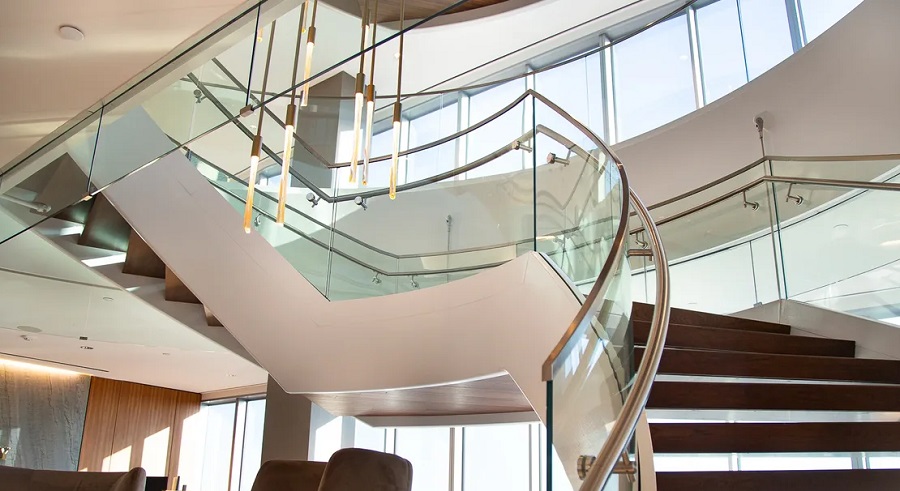
In architectural metalwork, railings do more than define boundaries. They guide movement, establish visual rhythm, and quietly carry the responsibility of safety. Over time, expectations have shifted from purely functional barriers to design features that contribute to the identity of a space. That shift is where thoughtfully made railing systems stand out, especially when precision fabrication and design alignment come together.
Within this space, Custom Iron is often associated with work that balances structural reliability with visual detail. The focus is not simply on building a barrier but on shaping a feature that feels intentional in its environment. That perspective becomes especially important when evaluating how railings influence both residential and commercial projects.
Design Flexibility in Modern Metal Railings
One of the defining strengths of contemporary railing systems is adaptability. Spaces rarely follow uniform design rules, which means railing systems must respond to architectural variation rather than restrict it. This is where custom-designed railings become especially relevant, offering flexibility in pattern, scale, and finish.
Design options can range from minimal modern lines to more decorative ironwork that reflects traditional craftsmanship. In either case, the goal remains consistent: align the railing with the structure rather than allowing it to feel added as an afterthought. Custom Iron approaches this balance by working within the constraints of each project while still allowing for creative expression in form and detail.
The result is a design element that integrates naturally into staircases, balconies, entryways, and exterior platforms without overwhelming the surrounding architecture.
Material Selection and Fabrication Precision
Material choice plays a central role in how railings perform over time. Steel and wrought iron remain common due to their strength and adaptability in fabrication. These materials allow for both structural integrity and detailed shaping, which is essential when producing railings that must meet both aesthetic and safety expectations.
Fabrication is not just about shaping metal but controlling consistency across each component. Small variations in weld quality, alignment, or finish can affect both appearance and durability. In controlled shop environments like those used by Custom Iron, attention to measurement and finishing helps ensure that each section aligns correctly once installed.
Finishes also matter. Protective coatings, powder applications, and sealing processes help prevent corrosion while also defining the visual tone of the railing. Whether the goal is a matte industrial look or a more refined architectural finish, consistency in application is essential.
Applications Across Residential and Commercial Spaces
Railings appear in nearly every built environment, but their role changes depending on context. In residential spaces, they often support staircases, loft areas, decks, and exterior steps. The emphasis is usually on blending safety with comfort, ensuring that the railing feels like part of the home rather than a separate structural requirement.
In commercial settings, expectations expand. Durability and compliance become just as important as design. Public-facing buildings, offices, and multi-use properties require systems that can withstand heavier use while still contributing to a cohesive architectural identity.
This is where custom-designed railings offer clear advantages. They allow builders and property owners to meet code requirements without sacrificing visual intent. Custom Iron frequently works within these overlapping priorities, where function and design must operate at the same level.
Installation and Code Considerations
Even the most well-designed railing system depends on correct installation. Alignment, anchoring strength, and load distribution all influence long-term performance. Improper installation can compromise both safety and appearance, which makes precision during this stage critical.
Building codes also play a significant role. Height requirements, spacing regulations, and load-bearing standards vary by region and application type. Meeting these requirements is not optional, but it does not need to limit design. Proper planning allows compliance and creativity to coexist.
In practice, Custom Iron integrates these requirements early in the design phase, reducing the likelihood of adjustments later in the process. That approach helps ensure that installations move smoothly from fabrication to final placement.
Long-Term Value and Maintenance
Durability is one of the most important considerations in railing systems. Once installed, railings are expected to perform for years with minimal intervention. This makes material quality and protective finishing essential from the beginning.
Maintenance requirements are generally modest when fabrication and coating processes are handled correctly. Occasional inspections, cleaning, and touch-ups can extend the lifespan significantly. Over time, well-constructed railings maintain both structural integrity and visual appeal, even in high-traffic or outdoor environments.
Projects that incorporate custom-designed railings often benefit from this long-term stability, particularly when built with attention to both environmental exposure and usage demands.
Form, Function, and Lasting Structure
Railings occupy a unique position in design. They are both structural necessities and visual features, often shaping how people move through and perceive a space. When approached with careful planning and skilled fabrication, they become lasting architectural elements rather than background requirements.
Custom Iron continues to operate within this balance of function and design, producing work that reflects both structural discipline and visual consideration. Through this lens, railings become more than safety components. They become part of the architecture itself, supporting spaces in ways that are both practical and quietly expressive.