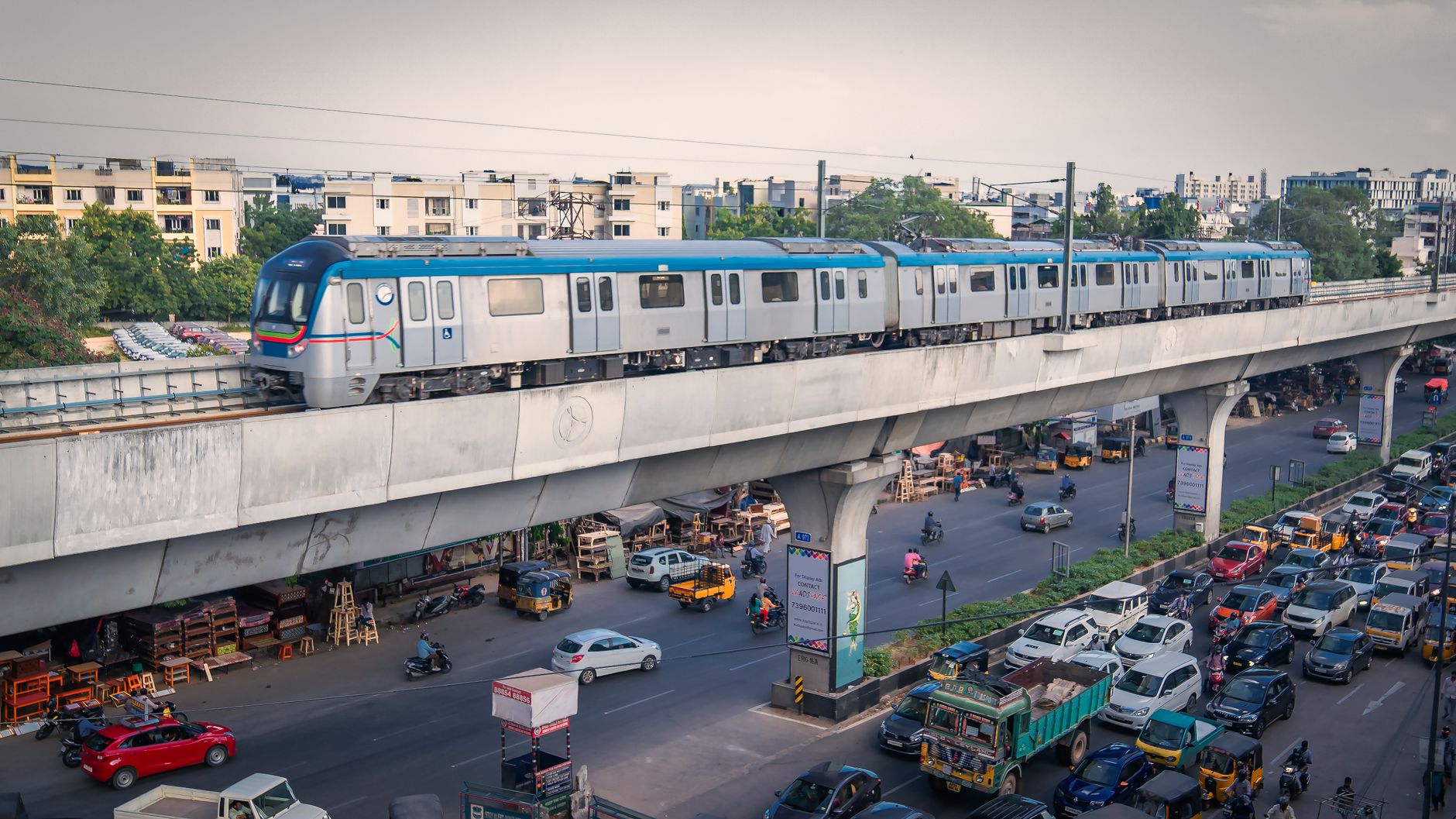
Chennai Metro Phase II is set to transform urban transport in Tamil Nadu. Prime Minister Modi inaugurated this vital stretch, built at a cost of Rs 4,900 crore.
Overview of Chennai Metro Phase II
The Chennai Metro Phase II project is a significant expansion of the city’s metro rail system, aimed at enhancing connectivity and reducing traffic congestion. Inaugurated by Prime Minister Modi, this phase encompasses a stretch built at an impressive cost of Rs 4,900 crore.
With a total length of approximately 118.9 kilometers, Chennai Metro Phase II is designed to cover various key areas of the city, ensuring ease of access for commuters. The project is expected to include:
- New Routes: Expanding the network to underserved regions, facilitating quicker travel times.
- Increased Capacity: Allowing more passengers to use the metro, thus reducing the number of vehicles on the roads.
- Environmental Benefits: Promoting eco-friendly transport options, contributing to a reduction in air pollution.
Chennai Metro Phase II is not just a transportation project; it represents a commitment to sustainable urban development. The investment in this infrastructure is anticipated to stimulate local economies and enhance the overall quality of life for residents. As the project progresses, the benefits are expected to resonate throughout Chennai, making it a pioneering model for future metro systems across India.
Investment and Funding for the Project
The funding and investment structure for the Chennai Metro Phase II project reflects the government’s commitment to enhancing urban transportation. With a total project cost estimated at Rs 4,900 crore, the initiative is poised to significantly improve connectivity across the city.
The financial framework for this ambitious project includes:
- Central Government Contribution: The central government is expected to contribute a substantial portion of the funding, showcasing its support for infrastructure development in Tamil Nadu.
- State Government Investment: The Tamil Nadu government has allocated funds to ensure the seamless execution of the project, demonstrating local commitment to urban mobility.
- International Financial Institutions: Partnerships with international financial institutions will provide additional resources, enabling the project to meet its financial requirements.
- Private Sector Participation: There are opportunities for private sector investments, which can help enhance the project’s efficiency and sustainability.
Investing in the Chennai Metro Phase II is seen as a crucial step towards meeting the growing transportation needs of the city. The project is anticipated to create numerous job opportunities while also boosting economic growth in the region.
Impact on Urban Transport in Chennai
The inauguration of the Chennai Metro Phase II marks a significant milestone in enhancing urban transport in the city. With an investment of Rs 4,900 crore, this project aims to alleviate traffic congestion, reduce travel time, and promote the use of public transportation.
Key impacts of Chennai Metro Phase II on urban transport include:
- Increased Connectivity: The new metro lines will connect various parts of the city, making it easier for commuters to access workplaces, educational institutions, and recreational areas.
- Environmentally Friendly: By promoting the use of metro services, Chennai Metro Phase II is expected to decrease reliance on personal vehicles, thereby reducing air pollution and carbon emissions.
- Economic Growth: Improved transport infrastructure is likely to attract businesses and investments, contributing to economic development in the region.
- Job Creation: The project has already created numerous jobs during the construction phase and will continue to provide employment opportunities in operations and maintenance.
Overall, Chennai Metro Phase II represents a strategic investment in the city’s future, aligning with urban development goals and enhancing the overall quality of life for residents.
Future Prospects for Metro Expansion
The expansion of the Chennai Metro Phase II is poised to bring numerous benefits to the city, enhancing connectivity and promoting sustainable urban development. As the project progresses, several future prospects emerge that underscore its significance.
- Increased Accessibility: With new routes planned, residents will enjoy enhanced access to key areas, including business districts, educational institutions, and healthcare facilities.
- Economic Growth: Improved public transport is likely to attract investments, stimulating local economies and creating jobs. The ease of commuting can encourage businesses to establish themselves in areas served by the metro.
- Environmental Benefits: By reducing reliance on personal vehicles, Chennai Metro Phase II is expected to decrease traffic congestion and lower emissions, contributing to a cleaner environment.
- Integration with Other Modes of Transport: Future plans include seamless integration with bus services and suburban rail networks, creating a comprehensive transport ecosystem that enhances user convenience.
Overall, the Chennai Metro Phase II is not merely an infrastructural project; it represents a significant leap toward modern urban living, ensuring that the city meets the demands of a growing population while promoting sustainable practices.
Public Response to the Inauguration
The inauguration of the Chennai Metro Phase II has elicited a positive response from the public, who are eager to embrace the advancements in urban transport. Commuters and residents alike have expressed their enthusiasm about the new metro stretch, which significantly enhances connectivity across the city.
Many citizens have taken to social media to share their excitement, highlighting how the Chennai Metro Phase II will alleviate traffic congestion and reduce travel times. This sentiment was echoed in various public forums where residents voiced their support for the project, noting its potential to transform daily commutes.
- Increased Accessibility: The new routes are expected to serve a larger population, improving access to key areas.
- Environmental Benefits: Many supporters have pointed out the eco-friendly aspect of the metro, reducing reliance on fossil fuel-powered vehicles.
- Boost to Local Businesses: With improved transport facilities, local businesses are optimistic about increased foot traffic and economic growth.
Overall, the public response has been overwhelmingly favorable, signaling a shared hope that the Chennai Metro Phase II will play a crucial role in shaping the city’s future.
Photo by Its Kiran on Pexels