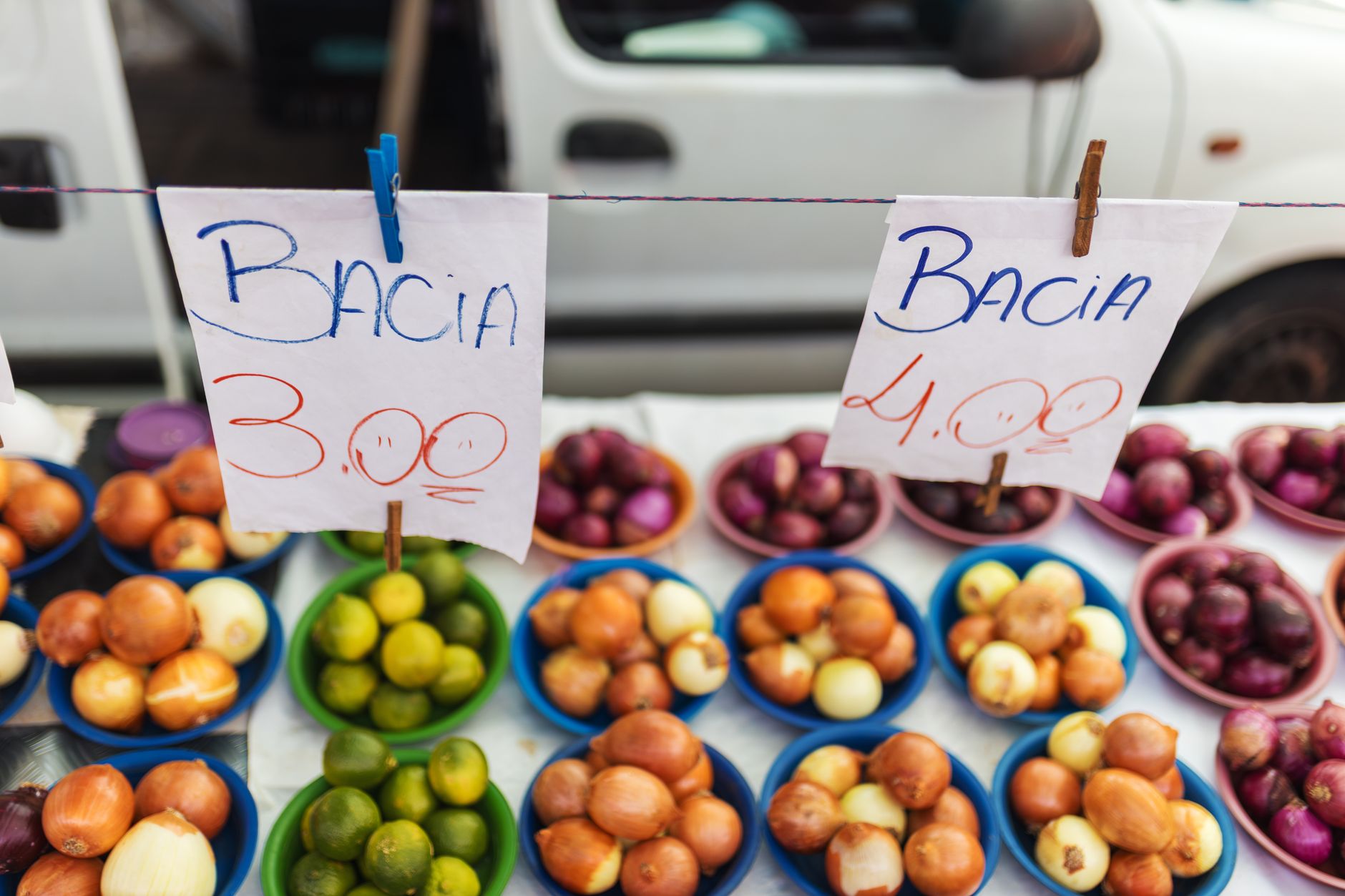
buffer onions price has become a hot topic as the government sells 4,000 tonnes across 17 cities in just 10 days to cool market prices.
Understanding the Buffer Onions Market
The buffer onions market has recently gained attention as the government sells large quantities to stabilize prices. In a bid to manage inflation and ensure availability, authorities distributed 4,000 tonnes of buffer onions across 17 cities within just ten days.
Understanding the dynamics of buffer onions price requires a closer look at several factors:
- Supply and Demand: The balance between the availability of onions and consumer demand significantly influences prices.
- Seasonal Variations: Prices tend to fluctuate based on seasonal harvests and weather conditions affecting production.
- Government Interventions: Initiatives like the recent sale can temporarily ease price pressure, creating a short-term stability in the market.
As the market continues to evolve, consumers and traders alike must stay informed on these trends to navigate the fluctuations in buffer onions price effectively.
Impact of Government Sales on Prices
The recent government initiative to sell 4,000 tonnes of buffer onions across 17 cities has had a notable impact on the market. This strategic move aims to stabilize the buffer onions price amidst rising demand and fluctuating supply. By releasing these stocks into the market, the government hopes to alleviate the pressure on consumers and ensure that prices remain accessible.
Experts suggest that such interventions can be effective in the short term, but the long-term sustainability of buffer onions prices depends on various factors, including:
- Seasonal production levels
- Consumer demand trends
- Market speculation
As the government continues to monitor the situation, the effectiveness of these sales will be crucial in determining future policies aimed at maintaining price stability in the onion market.
Why Are Onion Prices Rising?
The recent surge in onion prices has raised concerns among consumers and traders alike. Several factors contribute to this rising trend, affecting the buffer onions price directly.
Firstly, adverse weather conditions have impacted onion production, leading to lower yields. Additionally, supply chain disruptions have made it increasingly difficult for onions to reach markets in a timely manner.
Moreover, increased demand during festive seasons often pushes prices higher, exacerbating the situation. The government’s intervention, including the sale of buffer onions, aims to stabilize prices. However, the effectiveness of these measures remains to be seen.
Experts suggest that understanding market dynamics is crucial for consumers and traders. As they navigate the complexities of the onion market, it is essential to keep an eye on the buffer onions price to make informed purchasing decisions.
Strategies to Manage Food Costs
As consumers continue to feel the pinch of rising food costs, particularly with buffer onions price climbing, several strategies can help manage expenses effectively. Here are some practical approaches:
- Buy in Bulk: Purchasing larger quantities can reduce the overall price per unit, especially during government sales or promotions.
- Seasonal Shopping: Focus on buying onions when they are in season, as prices tend to be lower during these periods.
- Community Sharing: Teaming up with neighbors to buy bulk can help spread costs and minimize waste.
- Storage Solutions: Properly storing onions can extend their shelf life, reducing the frequency of purchases and overall spending.
By implementing these strategies, consumers can better navigate the fluctuating market and keep buffer onions price within their budget.
Future Outlook for Onion Prices
The future outlook for buffer onions price remains uncertain as various factors continue to influence market dynamics. Analysts suggest that the recent government intervention, which involved selling 4,000 tonnes of buffer onions across 17 cities in just 10 days, may provide temporary relief from rising prices.
However, several challenges could impact this trend:
- Supply Chain Disruptions: Ongoing logistical issues may hinder the consistent availability of onions.
- Weather Conditions: Unpredictable weather patterns could affect upcoming harvests, altering supply levels.
- Global Market Trends: Fluctuations in international onion prices might influence domestic rates.
In conclusion, while government actions may offer short-term price stabilization, the long-term trajectory of buffer onions price will depend on both local and global agricultural conditions. Stakeholders must remain vigilant and adaptable in the face of these potential shifts.
Photo by Matheus Bertelli on Pexels