

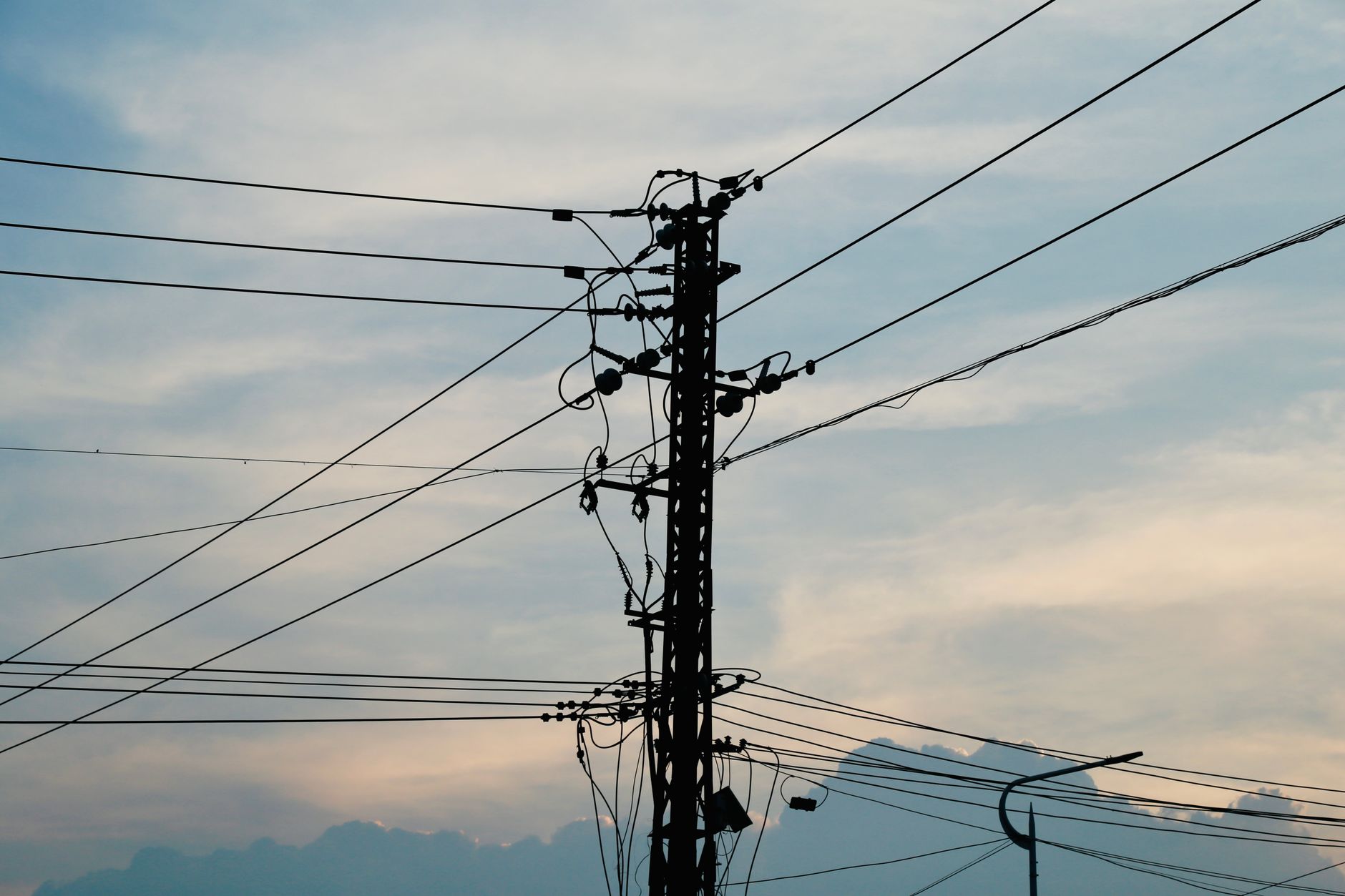
The Bihar transmission project is a significant development aimed at improving energy evacuation from the 2,400 MW Pirpainti plant, ensuring a more reliable power supply.
Overview of the Bihar transmission project
The Bihar transmission project is a significant initiative aimed at enhancing the electricity supply in the region. This project is primarily designed for the evacuation of power generated from the 2,400 MW Pirpainti thermal power plant, which is expected to play a crucial role in improving energy accessibility in Bihar.
As part of the project, several key features have been outlined:
- Infrastructure Development: The project will involve the construction of new transmission lines and substations, facilitating a more robust energy distribution network.
- Increased Capacity: By connecting the Pirpainti plant to the existing grid, the project aims to significantly increase the capacity of power transmission in the region.
- Job Creation: The development of the transmission infrastructure is anticipated to create numerous job opportunities throughout various phases of the project.
- Environmental Benefits: The project will also focus on implementing modern technologies that promote sustainability and reduce environmental impact.
Overall, the Bihar transmission project stands as a testament to the ongoing efforts to bolster the energy sector in the state, ensuring a reliable and efficient power supply for its residents. With the backing of AESL, this initiative is set to transform the energy landscape in Bihar.
Importance of the Pirpainti plant
The Pirpainti plant plays a critical role in the success of the Bihar transmission project, offering substantial benefits to the energy sector in the region. This plant, with a capacity of 2,400 MW, is pivotal for meeting the growing energy demands of Bihar and surrounding areas.
One of the primary advantages of the Pirpainti plant is its ability to enhance energy security. By providing a reliable source of power, it helps reduce dependence on traditional fossil fuels and promotes cleaner energy alternatives. This aligns with national objectives aimed at sustainable development and reducing carbon emissions.
Additionally, the Bihar transmission project aims to improve the infrastructure necessary for efficient energy distribution. The integration of the Pirpainti plant into this network ensures that generated power can be effectively transmitted to urban and rural areas alike. This is essential for fostering economic growth and improving living standards throughout the region.
- Increased access to electricity: More households and businesses can be connected.
- Job creation: The project is expected to generate employment opportunities during construction and operation.
- Boost to local industries: Reliable power supply supports industrial growth and attracts investments.
Overall, the Pirpainti plant is a cornerstone of the Bihar transmission project, promising a transformation in the energy landscape of the state.
Impact on local energy supply
The Bihar transmission project has the potential to significantly enhance local energy supply, addressing the growing demand in the region. By facilitating the evacuation of power from the 2,400 MW Pirpainti plant, this project aims to improve the reliability and efficiency of energy distribution across Bihar.
One of the key impacts of the project is its ability to reduce transmission losses, which have historically plagued the state’s energy sector. With upgraded infrastructure, electricity can be transmitted more effectively, ensuring that more power reaches consumers without significant losses. This improvement not only benefits residential users but also supports local industries that rely on a steady energy supply.
Additionally, the Bihar transmission project will help stabilize the grid, making it less susceptible to fluctuations and outages. Enhanced grid stability is essential for attracting investment and fostering economic growth in the region.
Moreover, the project is expected to create numerous job opportunities during its construction and operational phases, contributing to the local economy. Overall, the Bihar transmission project is poised to deliver long-term benefits, providing a more dependable energy supply while also supporting sustainable development in the state.
Future of infrastructure in Bihar
The Bihar transmission project is set to transform the energy landscape of the state, promising a future of enhanced infrastructure and sustainable energy solutions. As the demand for electricity continues to rise, the project’s comprehensive framework is designed to not only meet current requirements but also cater to anticipated growth in consumption.
One of the key aspects of the project is its potential to integrate renewable energy sources into the grid effectively. By facilitating the evacuation of power from the 2,400 MW Pirpainti plant, the initiative will enable the incorporation of cleaner energy options, which is crucial for reducing the carbon footprint.
Moreover, the Bihar transmission project aims to strengthen connectivity between urban and rural areas, thereby ensuring equitable energy distribution. This will have far-reaching effects, including:
- Increased access to electricity for underserved communities.
- Encouragement of local businesses and industries through reliable power supply.
- Improved infrastructure resilience against natural disasters.
As the project progresses, stakeholders are optimistic about its ability to support economic growth and development in Bihar. The focus on modernizing the energy sector reflects a commitment to a sustainable and prosperous future for the region.
AESL’s role in energy projects
AESL’s involvement in the Bihar transmission project marks a significant milestone in enhancing the energy landscape of the region. With a commitment to improving energy infrastructure, AESL has been instrumental in the successful execution of various projects aimed at boosting power generation and distribution.
The Bihar transmission project, specifically designed for the evacuation of electricity from the 2,400 MW Pirpainti plant, highlights AESL’s strategic vision. By establishing a robust transmission network, AESL aims to ensure that the generated power reaches consumers efficiently, thereby reducing transmission losses and improving overall grid reliability.
In addition to enhancing the energy supply, AESL’s role extends to fostering local employment opportunities and supporting community development initiatives. By collaborating with local stakeholders, AESL encourages the use of regional resources, which not only aids in project execution but also contributes to the local economy.
Furthermore, the technological advancements implemented by AESL in the Bihar transmission project ensure that the system is not only efficient but also sustainable. These innovations align with global best practices in energy management, reinforcing AESL’s reputation as a leader in the energy sector.
Overall, AESL’s commitment to the Bihar transmission project epitomizes its dedication to advancing energy infrastructure, ensuring a brighter and more sustainable future for Bihar.
Challenges in energy transmission
The Bihar transmission project faces several challenges that could impact its successful implementation and the overall efficiency of energy transmission in the region. Despite its significance, the project must navigate a variety of obstacles to ensure reliable and sustainable energy supply.
One primary challenge is the infrastructure deficit in rural areas. Many regions lack adequate roads and facilities, making it difficult for construction teams to access sites for laying transmission lines. Additionally, existing power infrastructure may require upgrades to handle the increased load from the 2,400 MW capacity of the Pirpainti plant.
Another significant issue is the land acquisition process. Securing the necessary land for transmission lines can lead to delays and conflicts with local communities. Resistance from landowners and stakeholders can hinder progress, resulting in extended timelines and increased costs.
Moreover, regulatory hurdles can pose challenges as well. Navigating the bureaucratic landscape for permits and approvals may slow down the project. This can affect the overall timeline and the anticipated benefits of the Bihar transmission project.
Finally, weather conditions can impact construction schedules. Seasonal challenges such as heavy rains or flooding can further complicate the transmission project, making timely completion a difficult goal.
Expected outcomes of the project
The Bihar transmission project is anticipated to bring several significant outcomes that will enhance the state’s energy landscape. Firstly, the project aims to increase the efficiency of electricity distribution across Bihar, thereby reducing transmission losses that currently plague the region. This improvement is expected to lead to a more reliable power supply for both urban and rural areas.
In addition, the Bihar transmission project will facilitate the evacuation of power generated from the 2,400 MW Pirpainti plant, ensuring that this substantial energy output can be effectively utilized. By integrating advanced technology and infrastructure, the project is set to optimize the grid’s performance and accommodate future energy demands.
Furthermore, the initiative will stimulate local economies by creating job opportunities during both the construction and operational phases. As a result, communities are likely to see an increase in economic activity, driven by improved energy access.
Moreover, the project is expected to attract further investments in the energy sector, paving the way for sustainable development initiatives. The collaboration between various stakeholders will promote innovation and best practices in energy management.
- Enhanced electricity distribution efficiency
- Reduction in transmission losses
- Job creation and economic stimulation
- Attraction of further investments in the energy sector
Community benefits from improved power supply
The Bihar transmission project is set to bring significant benefits to local communities, particularly through the enhancement of power supply. With improved infrastructure, residents can expect a more reliable and consistent electricity flow, which is crucial for daily life and economic activities.
Among the notable benefits are:
- Increased Access to Electricity: More households will receive electricity, reducing the reliance on traditional and less efficient energy sources.
- Boost to Local Businesses: Reliable power supply allows local businesses to operate efficiently, potentially leading to job creation and economic growth.
- Improved Quality of Life: With consistent electricity, communities can enjoy better amenities, such as lighting, refrigeration, and access to information through electronic devices.
- Support for Education: Schools will benefit from enhanced power supply, enabling evening classes and better access to technology for students.
Moreover, the project is expected to facilitate the use of renewable energy sources, promoting a sustainable energy future for Bihar. The investment in the Bihar transmission project not only addresses current energy needs but also lays the groundwork for long-term infrastructure development, ultimately leading to a more resilient energy sector.
Photo by Andy Lee on Pexels