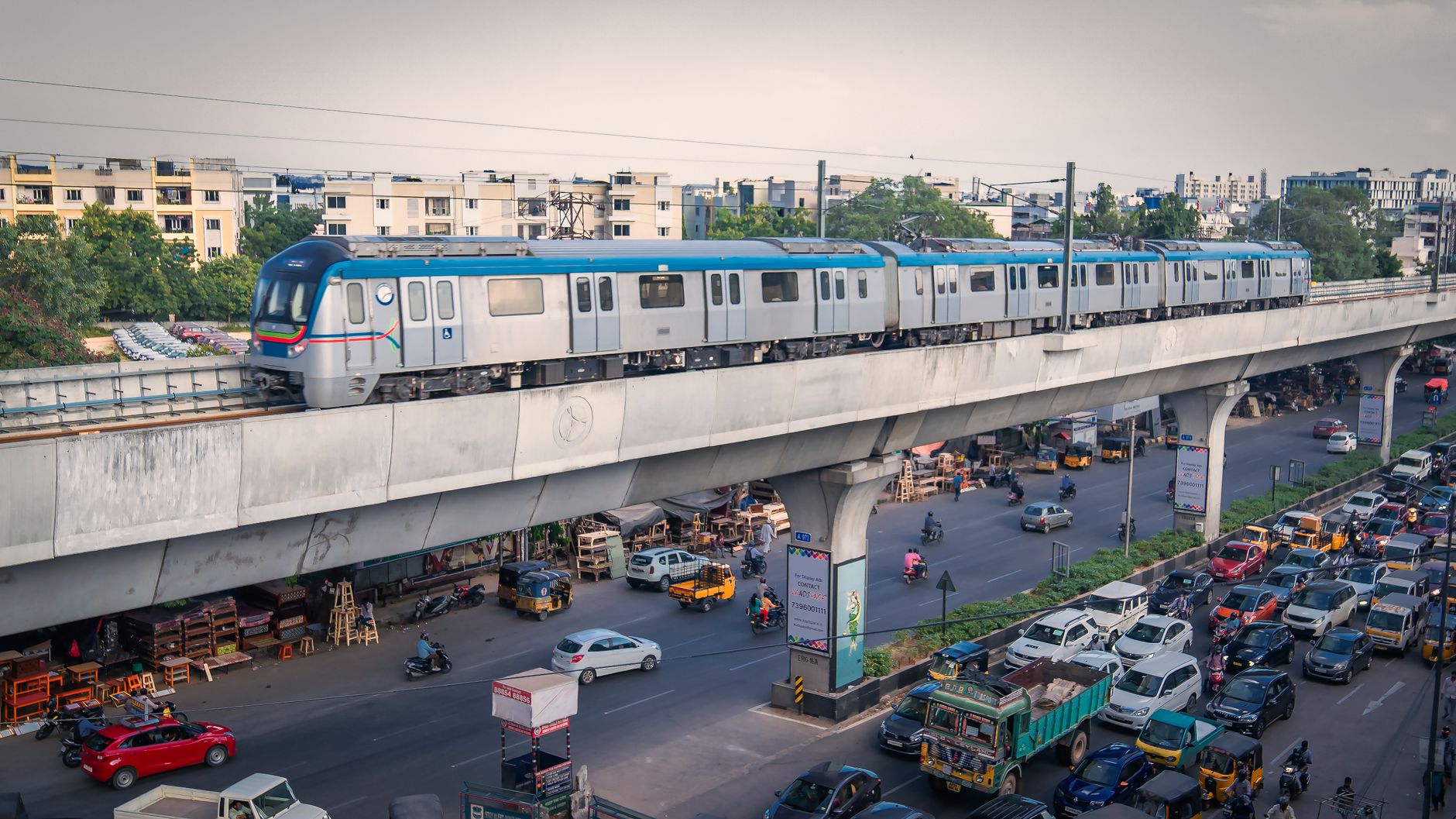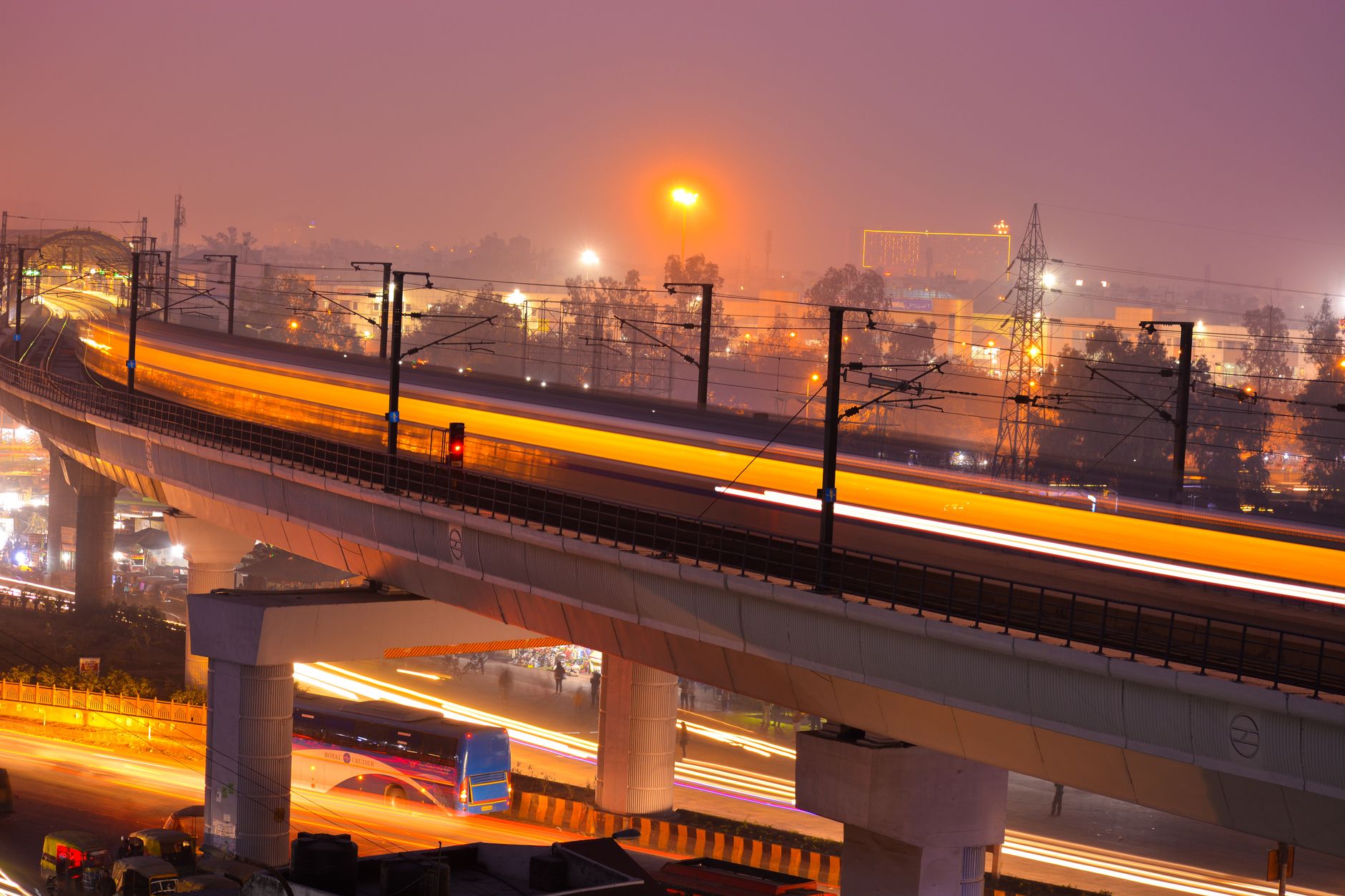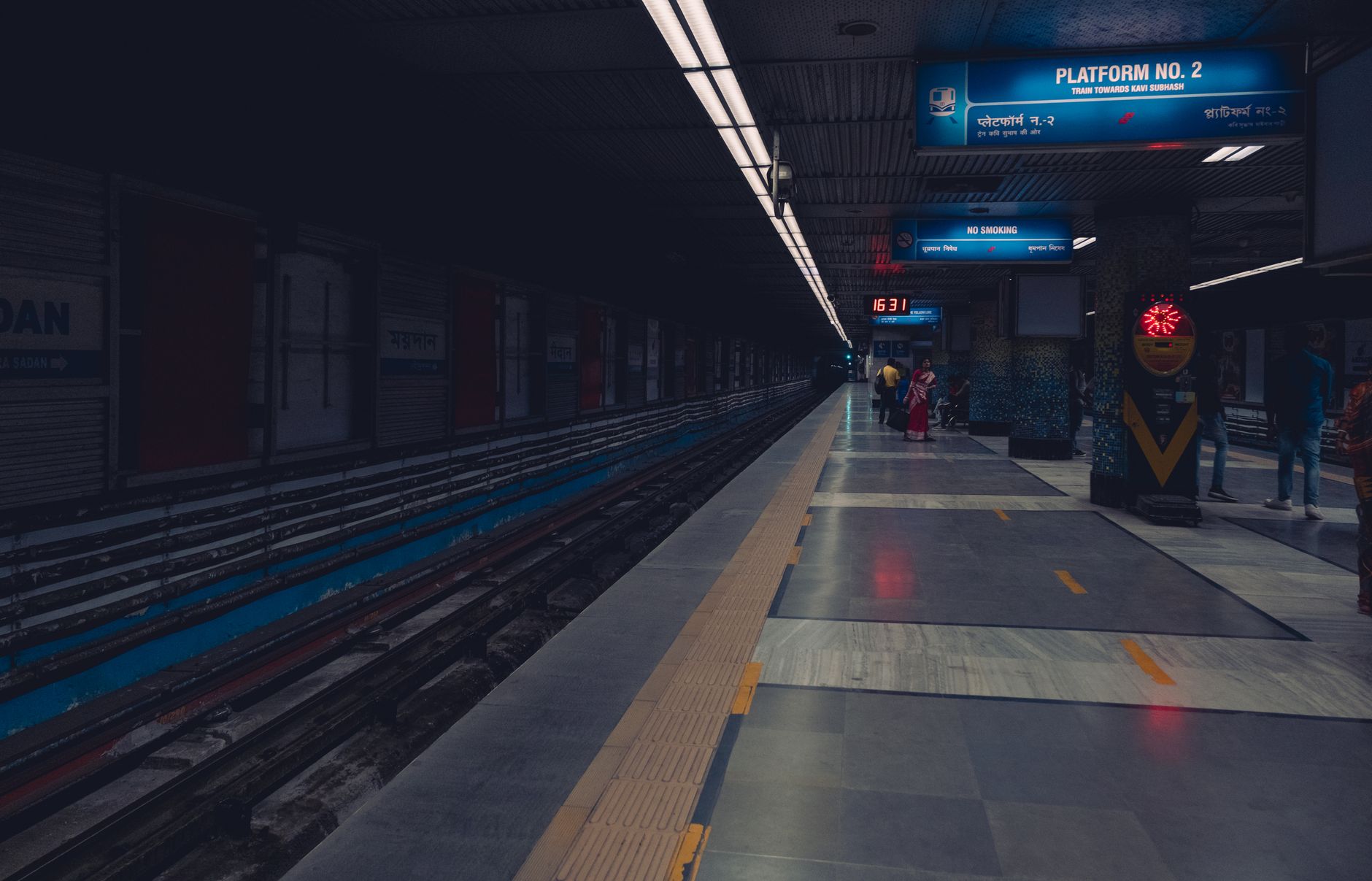
Metro Phase II inauguration is set to transform Chennai’s public transport system. Prime Minister Modi’s recent visit highlighted the launch of significant infrastructure projects worth over ₹13,000 crore.
Overview of Metro Phase II
The long-awaited Metro Phase II inauguration took place during Prime Minister Modi’s recent visit to Chennai, marking a significant milestone in the city’s transport infrastructure. This ambitious project, which has been in the planning stages for several years, aims to enhance connectivity across the metropolitan region.
The Metro Phase II project, with a budget of ₹13,000 crore, is expected to cover an extensive network of over 118 kilometers, connecting key areas and reducing travel time for commuters. The initiative includes:
- New routes linking major residential and commercial hubs.
- Improved accessibility for underserved areas, promoting economic growth.
- Environmentally friendly transport solutions aimed at reducing congestion and pollution.
This project not only reflects the government’s commitment to enhancing urban infrastructure but also aims to promote public transport as a viable alternative to private vehicles. With the inauguration of Metro Phase II, Chennai is set to witness a significant transformation in its urban landscape, paving the way for a more connected and efficient city.
Impact on Chennai’s infrastructure
The inauguration of the Metro Phase II is set to significantly enhance Chennai’s infrastructure, providing a modern and efficient transportation system for its residents. With an investment of ₹13,000 crore, this project aims to alleviate traffic congestion, reduce travel times, and promote sustainable urban mobility.
As the Metro Phase II inauguration unfolds, several key impacts on the city can be anticipated:
- Improved Connectivity: The new metro lines will connect various neighborhoods, making commuting easier for thousands of daily passengers.
- Economic Growth: Enhanced transport facilities are expected to attract more businesses and boost local economies along the metro routes.
- Environmental Benefits: By encouraging the use of public transport, the metro aims to decrease the reliance on personal vehicles, leading to reduced air pollution and lower carbon emissions.
- Job Creation: The construction and operational phases of the metro will create numerous job opportunities for the local workforce.
Overall, the Metro Phase II inauguration marks a pivotal moment for Chennai, showcasing a commitment to modernizing urban infrastructure and improving the quality of life for its citizens.
Details of the inaugurated projects
The recent Metro Phase II inauguration in Chennai has unveiled several key projects aimed at enhancing the city’s public transport infrastructure. The projects, with a combined value of ₹13,000 crore, are set to transform commuting experiences for thousands of residents.
Among the inaugurated projects, the following are noteworthy:
- Metro Rail Expansion: A significant extension of the metro rail network is designed to reduce travel time and ease congestion on the roads.
- New Stations: The addition of multiple new stations will improve accessibility for commuters in various neighborhoods, making public transport more user-friendly.
- Integrated Transport Facilities: The development of integrated transport hubs is aimed at facilitating seamless transfers between different modes of transport, including buses and suburban trains.
- Modern Technology Implementation: Adoption of advanced technologies for operational efficiency and passenger safety is a key feature of the newly inaugurated projects.
These initiatives are not only expected to enhance connectivity within the city but also contribute to the overall economic development of Chennai, making it a more livable and efficient urban space.
PM Modi’s vision for urban transport
During the Metro Phase II inauguration, Prime Minister Narendra Modi emphasized the importance of modern urban transport systems in enhancing the quality of life for citizens. He articulated a vision where efficient and accessible public transport would alleviate traffic congestion and reduce pollution in metropolitan areas.
The Prime Minister highlighted several key aspects of his vision:
- Seamless Connectivity: PM Modi stressed the need for integrated transport solutions that connect various modes of travel, ensuring that commuters can transition effortlessly between metro, buses, and other forms of transport.
- Sustainable Development: The focus on eco-friendly transport solutions aims to promote a greener environment, with reduced carbon footprints being a priority in urban planning.
- Economic Growth: Modi noted that investments in infrastructure, such as the Metro Phase II inauguration, would not only create jobs but also stimulate economic activities in the region.
- Citizen-Centric Approach: The Prime Minister underscored the importance of public feedback in shaping transport policies, ensuring that the needs of the citizens are always at the forefront of development.
With initiatives like the Metro Phase II, the government aims to transform urban commuting, making it more efficient and enjoyable for all residents.
Public response to the inauguration
The recent inauguration of the Metro Phase II has drawn a significant response from the public, showcasing a mix of enthusiasm and anticipation among the residents of Chennai. Many citizens expressed their excitement over the expansion of the metro network, which is expected to ease traffic congestion and enhance connectivity across the city.
Local commuters voiced their approval, highlighting the convenience that the new metro stretch will bring to their daily travels. “The Metro Phase II inauguration is a step towards a more efficient public transport system,” said one commuter. “It will save us time and reduce our reliance on private vehicles.”
In addition to easing transportation woes, many residents believe the metro expansion could boost local businesses and improve the overall quality of life. Public transport advocates see this project as a significant advancement in urban planning, aligning with PM Modi’s vision for urban transport.
Furthermore, environmental groups have noted the potential reduction in carbon emissions, as more people may opt for the metro over personal vehicles. The positive public response indicates widespread support for government initiatives aimed at improving infrastructure, with the Metro Phase II inauguration being a pivotal moment in Chennai’s urban development.
Future plans for Chennai Metro
The inauguration of the Metro Phase II marks a significant step towards enhancing Chennai’s urban transport system. As the city continues to grow, future plans for the metro network aim to expand connectivity and improve the overall commuting experience for residents.
Among the proposed projects are:
- Extension of existing lines: Plans are underway to extend current metro lines to underserved areas, providing better access for all citizens.
- Integration with other transport systems: Future projects will focus on seamless integration with bus services, suburban trains, and even waterways, creating a comprehensive urban mobility plan.
- Smart technology implementation: The Chennai Metro aims to incorporate advanced technologies, including automated ticketing systems and real-time tracking, to enhance passenger convenience.
- Environmental sustainability: Future expansions will prioritize eco-friendly practices, such as green building standards for stations and energy-efficient trains.
As part of PM Modi’s vision for urban transport, the Metro Phase II inauguration demonstrates a commitment to investing in infrastructure projects worth ₹13,000 crore. These initiatives not only promise to alleviate traffic congestion but also enhance the quality of life for the citizens of Chennai.
The Metro Phase II inauguration marks a significant milestone in urban transportation, enhancing connectivity across the city. With investments totaling ₹13,000 crore, the Metro Phase II inauguration promises to transform daily commutes for thousands of residents.
Photo by Shovan Datta on Pexels