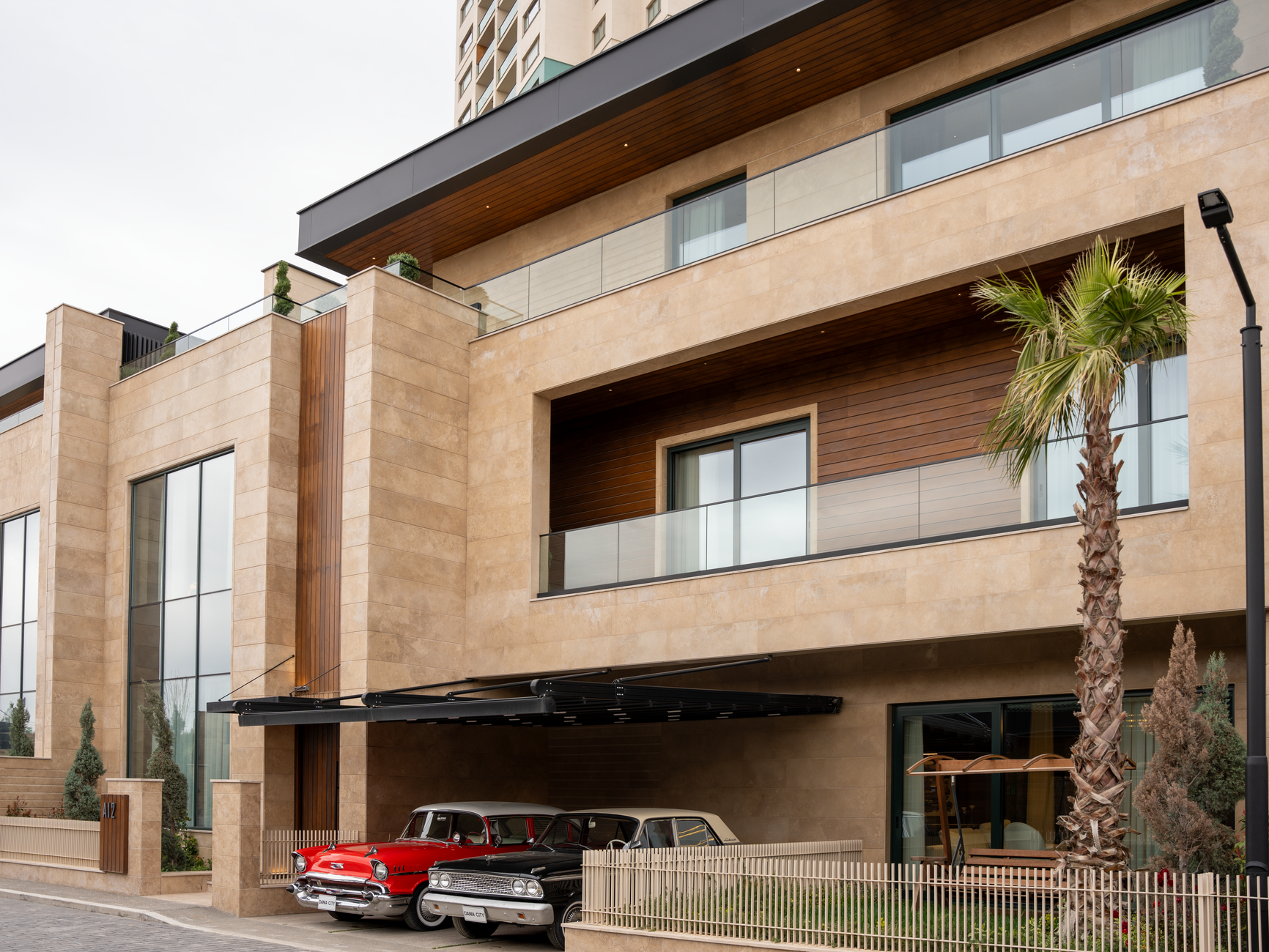
luxury real estate is transforming as DLF Housing sales indicate a shift in buyer preferences and market dynamics. This article explores the factors driving this change.
Current Trends in Luxury Real Estate
The luxury real estate market is experiencing significant shifts, influenced by various factors that are reshaping buyer preferences and investment strategies. One of the most notable trends is the increasing demand for sustainable living spaces. Buyers are prioritizing eco-friendly features, such as solar panels and energy-efficient appliances, which not only contribute to environmental conservation but also reduce long-term costs.
Another key trend is the rise of smart home technology. High-end properties are now equipped with advanced automation systems that enhance security, convenience, and energy management. This integration of technology appeals to a tech-savvy clientele seeking modern amenities in luxury real estate.
Location remains paramount, but there is a noticeable shift towards suburban and rural areas. Many affluent buyers are seeking larger homes with outdoor spaces, driven by the desire for privacy and a peaceful lifestyle away from urban congestion.
Additionally, the pandemic has accelerated the trend of remote working, prompting many to invest in luxury properties that provide dedicated home office spaces. As a result, DLF Housing Sales have adapted to these evolving preferences, focusing on designs that cater to the changing needs of luxury homebuyers.
Factors Influencing DLF Housing Sales
The luxury real estate market, particularly in DLF, is influenced by several key factors that shape housing sales. Understanding these elements can provide insights into current trends and future predictions.
- Economic Conditions: The overall economic climate significantly affects buyer confidence. A robust economy often leads to increased demand for luxury properties.
- Location: Premium locations with excellent amenities and accessibility continue to attract affluent buyers. Areas with planned developments and good infrastructure tend to see higher sales.
- Market Trends: Shifts in buyer preferences, such as a growing demand for sustainable and eco-friendly homes, are influencing the types of luxury real estate that are selling.
- Government Policies: Regulations and policies regarding property ownership and investments can impact the luxury real estate market, affecting both domestic and international buyers.
- Technology: Innovations in property technology, such as virtual tours and smart home features, are also playing a critical role in attracting buyers to luxury homes.
By examining these factors, stakeholders can better navigate the complexities of DLF housing sales and capitalize on opportunities within the luxury real estate sector.
The Impact of Economic Changes
The luxury real estate market has been significantly influenced by recent economic changes, altering the landscape of DLF housing sales. As global economies fluctuate, the purchasing power of potential buyers plays a critical role in shaping demand for high-end properties.
In the current climate, several economic factors are driving shifts in buyer preferences and investment strategies:
- Interest Rates: Fluctuating interest rates have made financing luxury homes more accessible for some buyers while deterring others. Lower rates often stimulate demand, resulting in increased sales.
- Market Confidence: Economic stability encourages potential homeowners to invest in luxury real estate. Conversely, uncertainty can lead to hesitancy, impacting DLF housing sales.
- Foreign Investment: Economic changes can also attract international investors looking for stable markets. DLF’s luxury properties are often seen as safe havens, leading to heightened interest.
As economic conditions continue to evolve, the luxury real estate market will likely adapt, reflecting the dynamic relationship between economic trends and consumer behavior. DLF housing sales serve as a prime example of how these factors intertwine, shaping the future of luxury living.
Buyer Preferences in Luxury Housing
The luxury real estate market has seen a significant shift in buyer preferences over the past year. As potential homeowners increasingly seek out properties that cater to their specific desires, several key trends have emerged.
- Location and Accessibility: Buyers are prioritizing prime locations that offer both luxury amenities and easy access to urban centers. Areas with low congestion and good connectivity are in high demand.
- Smart Home Features: Modern technology integration has become a focal point for luxury homebuyers. Features such as automated lighting, smart security systems, and energy-efficient appliances are now expected.
- Outdoor Living Spaces: With an increased emphasis on wellness, outdoor spaces such as patios, gardens, and pools are highly sought after. These areas provide a private retreat for relaxation and entertainment.
- Sustainability: Eco-friendly homes are gaining traction among luxury buyers. Properties that incorporate sustainable materials and energy-efficient designs often attract higher interest.
These evolving buyer preferences indicate a transformation in the luxury real estate landscape, particularly in DLF housing sales, where developers are adapting to meet the changing demands of affluent consumers.
Future of Luxury Real Estate
The future of luxury real estate looks promising as evolving preferences and technological advancements continue to shape the market. One noticeable trend is the increasing demand for sustainability in high-end properties. Buyers are becoming more environmentally conscious, seeking homes that incorporate eco-friendly features and energy-efficient technologies.
Moreover, urbanization is influencing the landscape of luxury real estate. As more individuals move to metropolitan areas, there is a growing interest in premium urban living spaces that offer convenience and access to amenities. This shift towards city-centric homes is expected to drive sales in DLF housing projects.
Additionally, the rise of remote work has altered buyer expectations. High-net-worth individuals are now prioritizing larger spaces that accommodate home offices and leisure areas. This trend is prompting developers to rethink designs and layouts in luxury properties.
Investors are also looking at luxury real estate as a stable asset in uncertain economic times. The appeal of premium properties as a long-term investment is bolstered by their potential for appreciation and rental income. As these trends continue to evolve, the luxury real estate market is likely to adapt, presenting new opportunities for both buyers and sellers.
Challenges in the Luxury Market
The luxury real estate market, while thriving, faces several challenges that can impede growth and stability. One of the primary issues is the fluctuation in demand, which can be influenced by global economic conditions and shifts in consumer confidence. Buyers in this segment often seek exclusivity and high-end amenities, and when market conditions are uncertain, they may hesitate to make significant investments.
Additionally, regulatory obstacles can pose a challenge for developers and investors in the luxury market. Changes in zoning laws, increased taxes, and stricter lending requirements can make it difficult for projects to move forward, ultimately affecting DLF housing sales.
Another significant concern is the sustainability of luxury properties. As environmental awareness grows, buyers are increasingly looking for homes that are not only luxurious but also eco-friendly. Developers must adapt to this trend by incorporating sustainable practices, which can often lead to higher initial costs.
Lastly, competition from emerging luxury markets worldwide can divert attention and investment away from established locations. As these factors intertwine, they create a complex landscape for luxury real estate that stakeholders must navigate carefully.
How DLF is Adapting to Changes
In recent years, DLF has made significant strides in adapting to the evolving landscape of luxury real estate. Understanding the shifting dynamics of the market, the company has implemented several strategies to enhance its offerings and meet the expectations of discerning buyers.
One of the key adaptations has been the incorporation of sustainable practices in their developments. DLF is focusing on eco-friendly materials and energy-efficient designs, appealing to environmentally conscious consumers. This shift not only aligns with global trends but also enhances the appeal of their luxury properties.
Moreover, DLF is leveraging technology to improve the customer experience. From virtual tours to smart home integrations, the company is ensuring that potential buyers can engage with properties in innovative ways. This tech-savvy approach has proven effective in attracting a younger demographic looking for modern features in luxury housing.
Additionally, DLF is increasingly focusing on creating community-oriented spaces within their developments. By fostering a sense of belonging and connectivity, they aim to enhance the lifestyle aspect of luxury living, which has become a crucial factor for buyers.
Through these strategic adjustments, DLF is not only responding to current demands but is also positioning itself for future success in the competitive luxury real estate market.
Success Stories in Luxury Real Estate
As the luxury real estate market continues to evolve, several success stories have emerged that highlight the potential in DLF housing sales. These stories showcase how strategic marketing and innovative designs attract affluent buyers seeking unique living experiences.
One notable success is the launch of exclusive gated communities that offer unparalleled amenities, such as:
- Private pools and landscaped gardens for relaxation and entertainment.
- State-of-the-art fitness centers catering to health-conscious residents.
- Smart home technology integrated into properties for convenience and security.
Additionally, DLF’s focus on sustainability has resonated with buyers increasingly aware of their environmental impact. Eco-friendly designs and energy-efficient features have made these luxury homes not only attractive but also responsible choices.
Another success story involves the collaboration with renowned architects to create distinctive architectural styles that stand out in the luxury real estate landscape. This emphasis on unique aesthetics complements the buyers’ desire for exclusivity and sophistication in their living spaces.
These success stories underscore the dynamic nature of the luxury real estate market, demonstrating how DLF is transforming challenges into opportunities for growth and innovation.
Photo by Ansar Muhammad on Pexels