Seoul apartment prices have continued to rise for an unprecedented 87 weeks in a row, reflecting a robust demand in the housing market.
Current Trends in Seoul’s Housing Market
In recent weeks, the Seoul housing market has demonstrated a significant upward trajectory, with apartment prices increasing consistently for a remarkable 87 weeks. This trend has sparked interest among potential buyers and investors alike, leading to a heightened sense of urgency in the market.
Several factors contribute to the ongoing rise in Seoul apartment prices. Low interest rates have made borrowing more accessible, encouraging many families to purchase homes. Additionally, the demand for residential properties in the city remains strong, fueled by a growing population and a desire for urban living. The limited availability of land for new developments has further exacerbated the situation, creating a competitive environment for buyers.
Despite the increasing prices, many experts believe that the trend is likely to continue in the near future. Investors and homeowners are grappling with the implications of these rising costs, and concerns about affordability are becoming more pronounced. As the market evolves, it will be crucial for stakeholders to monitor these trends closely to navigate the challenges ahead.
Factors Driving Apartment Price Increases
Several factors are contributing to the significant rise in Seoul apartment prices over the past 87 weeks. Understanding these elements is crucial for potential buyers and investors.
- Low Interest Rates: The persistent low-interest rate environment has made borrowing more affordable for homebuyers, thus increasing demand for apartments.
- Government Policies: Recent government initiatives aimed at stimulating the housing market have inadvertently fueled competition among buyers, driving prices upward.
- Urbanization: As more people migrate to Seoul for job opportunities, the demand for housing continues to outpace supply, leading to a competitive market.
- Limited Supply: The scarcity of available land for new developments in central areas has exacerbated the situation, limiting the options for homebuyers.
- Foreign Investment: Increased interest from foreign investors seeking to capitalize on the city’s real estate has also played a role in elevating prices.
As these factors converge, the trend of rising Seoul apartment prices shows no signs of slowing, leaving many to ponder the sustainability of this upward trajectory.
Impact on Homebuyers and Investors
The ongoing increase in Seoul apartment prices has significant implications for both homebuyers and investors. As prices continue to rise for an unprecedented 87 weeks, potential homeowners face mounting challenges in finding affordable housing options.
Many first-time buyers are feeling the pressure, as the dream of owning a home in the capital becomes increasingly elusive. The surge in prices has led to a competitive market, with bidding wars becoming common in desirable neighborhoods. This environment not only discourages new entrants but also forces some buyers to consider properties in less favorable areas, where prices may still be on the rise.
For investors, the sustained increase in apartment prices presents both opportunities and risks. While the potential for high returns is attractive, the market’s volatility raises concerns about a possible correction. Investors are now weighing their options carefully, considering factors such as location, property type, and the overall economic climate.
As the situation evolves, both homebuyers and investors must navigate the complexities of the current market, balancing aspirations with financial realities.
Comparison with Previous Years
In comparing the current trends of Seoul apartment prices with previous years, it is evident that the upward trajectory is unprecedented. Over the past decade, fluctuations in the real estate market have been common, but the consistency of price increases seen in recent weeks is remarkable. For instance, during the same period last year, apartment prices experienced a brief stabilization, only to rebound later. This year, however, the steady climb has now reached a record 87 weeks.
Historically, Seoul’s housing market has been characterized by seasonal variations, often influenced by government policies and economic conditions. A comparison with the last five years reveals the following:
- 2019-2020: A period of relative stagnation, with minimal growth.
- 2021: An initial surge prompted by low interest rates.
- 2022: A sharp spike due to increased demand amid a recovering economy.
- 2023: Continuing escalation, culminating in the sustained rise of Seoul apartment prices.
These comparisons highlight the distinctiveness of the current market climate, raising concerns about affordability and accessibility for potential homebuyers.
Expert Opinions on Future Trends
Experts in the real estate market are weighing in on the ongoing trend of rising Seoul apartment prices, which have now shown a clear increase for an unprecedented 87 weeks. According to Dr. Kim Ji-soo, a renowned economist, “The continuous demand for housing, coupled with low interest rates, is likely to sustain this upward trajectory.”
Real estate analyst Lee Min-kyung adds that “as more people move to the city for work, the competition for available apartments is becoming fierce.” This influx of residents has intensified demand, pushing prices higher.
However, some experts caution that this trend may not last indefinitely. “If the government implements stricter regulations or if interest rates rise, we could see a stabilization in Seoul apartment prices,” notes Park Sung-woo, a senior researcher at the Korea Institute of Housing.
Moreover, the potential impact of global economic fluctuations could also play a role in shaping the future of the housing market. As experts continue to analyze the situation, many are left wondering how sustainable these price increases truly are in the long run.
Government Policies Affecting Real Estate
The recent surge in Seoul apartment prices can be partly attributed to government policies aimed at stabilizing the housing market. Over the past few months, authorities have implemented a range of measures to boost supply and curb speculation. However, these efforts have had mixed results, contributing to the ongoing increase in prices rather than alleviating them.
One key policy has been the introduction of stricter lending regulations, ostensibly designed to prevent excessive borrowing and to ensure homebuyers can manage their mortgages. While these regulations have slowed down some speculative buying, they have also limited access for first-time buyers, pushing them out of the market.
Additionally, the government has launched initiatives to increase the availability of affordable housing. Yet, many of these projects have faced delays or bureaucratic hurdles, resulting in a supply shortage that further exacerbates the rise in Seoul apartment prices.
As the market reacts to these policies, potential buyers are left navigating a challenging landscape, where affordability is increasingly out of reach, and investors remain cautious yet intrigued by the long-term prospects.
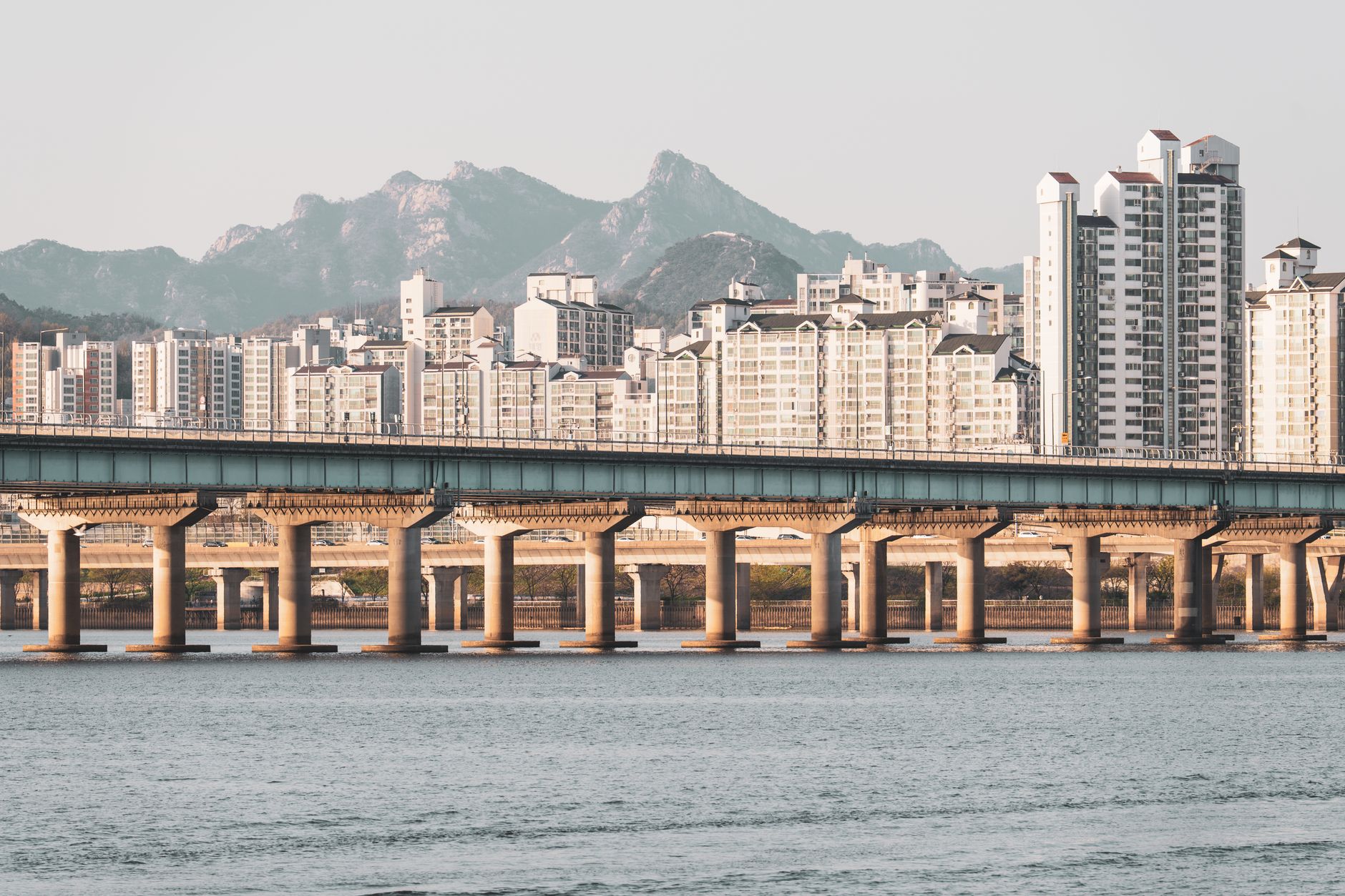
Photo by Hyeok Jang on Pexels